
Go back

27 Feb 2026

How Do Team Collaboration Skills Improve Productivity and Success?

Team Collaboration Skills

Team collaboration skills are essential in today’s fast changing work environment. Team collaboration skills determine how effectively people communicate, solve problems, and achieve shared goals. Without strong collaboration, even talented employees struggle to deliver consistent results.

Many organizations in India and globally face productivity gaps not because of lack of expertise, but because teams fail to work together efficiently. Miscommunication, unclear roles, and unresolved conflict reduce performance and lower employee engagement.

When professionals build strong team collaboration skills, they create a collaborative work environment where ideas flow freely and decisions are made confidently. This blog explores how team collaboration skills drive productivity, improve organizational culture, and contribute to long term business success.

What Are Team Collaboration Skills and Why Do They Matter?

Team collaboration skills refer to the abilities that allow individuals to work effectively with others toward a common goal. These include teamwork skills, communication in teams, conflict resolution, and decision making skills.

Strong team collaboration skills involve:

  • Clear communication

  • Active listening

  • Mutual respect

  • Emotional intelligence

  • Accountability

  • Problem solving in teams

In modern workplaces shaped by remote work and cross-functional teams, collaboration is no longer optional. Teams must coordinate across departments, time zones, and digital platforms.

Professionals who master team collaboration skills contribute to a stronger organizational culture and improve overall workplace collaboration.

The Link Between Team Collaboration and Workplace Productivity

There is a direct connection between team collaboration skills and workplace productivity. When teams collaborate effectively, tasks are completed faster and with fewer errors.

Here is how team collaboration skills impact productivity:

  • Reduced duplication of work

  • Faster decision making

  • Improved clarity of responsibilities

  • Increased employee engagement

  • Better alignment across cross-functional teams

In a collaborative work environment, employees feel heard and valued. This boosts motivation and strengthens performance.

Teams that practice effective workplace communication strategies experience smoother coordination and higher output. Organizations that invest in collaboration see measurable gains in efficiency and business results.

How Emotional Intelligence Improves Team Performance

Emotional intelligence plays a critical role in team collaboration skills. It helps individuals understand their own emotions and respond constructively to others.

In team settings, emotional intelligence supports:

  • Conflict resolution

  • Trust building

  • Improved interpersonal skills

  • Clearer communication in teams

Leaders who demonstrate emotional intelligence create psychological safety. Team members feel comfortable sharing ideas and addressing challenges openly.

Strong leadership combined with emotional intelligence improves team performance and reduces misunderstandings. In remote team collaboration scenarios, emotional awareness becomes even more important because nonverbal cues are limited.

Developing emotional intelligence strengthens team collaboration skills and enhances overall productivity.

Tools and Technologies That Support Effective Team Collaboration
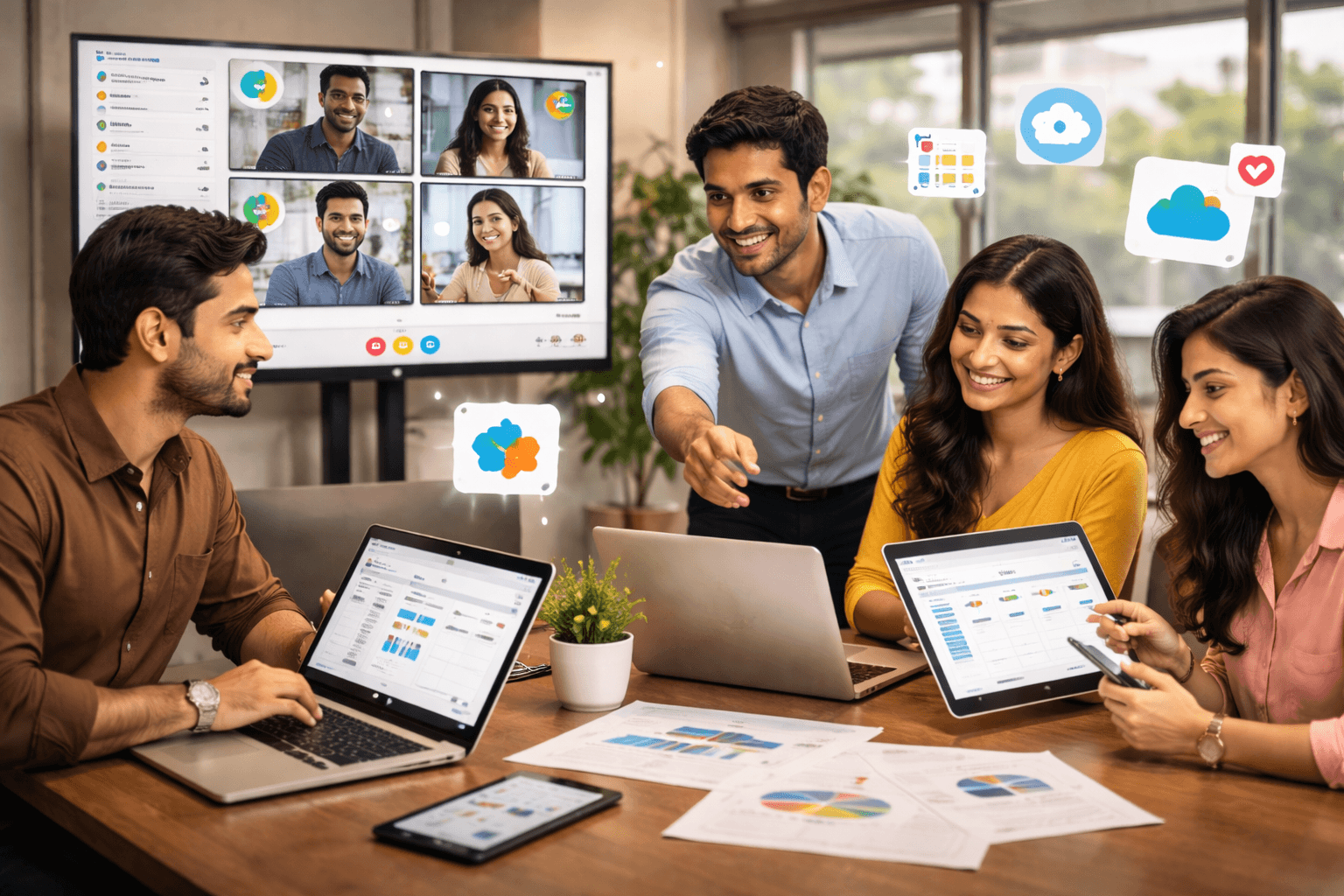


Technology has transformed workplace collaboration. Teams now rely on digital tools to coordinate projects and maintain virtual team communication.

Common tools that support team collaboration skills include:

  • Project management platforms

  • Video conferencing software

  • Shared document systems

  • Instant messaging applications

These tools enable remote team collaboration and allow cross-functional teams to stay connected.

However, tools alone are not enough. Teams must also develop strong teamwork skills and communication in teams to use technology effectively.

Professionals who build presentation confidence are better equipped to share ideas clearly in virtual meetings. Many learners choose to build presentation confidence to enhance their participation in collaborative environments.

Combining digital tools with strong interpersonal skills creates a productive collaborative work environment.

Common Barriers to Team Collaboration and How to Overcome Them

Even high performing teams face collaboration challenges. Identifying barriers early prevents long term issues.

Common barriers include:

  • Poor communication in teams

  • Lack of clarity in roles

  • Low employee engagement

  • Cultural misunderstandings

  • Ineffective conflict resolution

To overcome these challenges, organizations can:

  • Provide structured communication training

  • Encourage open feedback

  • Promote shared goals

  • Strengthen leadership development

  • Foster accountability

Professionals looking to master professional communication skills often see immediate improvement in their teamwork abilities.

Clear articulation is another key factor. Learning articulation techniques for professionals enhances clarity and reduces misunderstandings during discussions.

When collaboration barriers are addressed proactively, productivity increases.

Measuring the Impact of Collaboration on Business Success

Measuring team collaboration skills allows organizations to evaluate their impact on success.

Indicators of effective collaboration include:

  • Increased project completion rates

  • Higher employee engagement scores

  • Reduced turnover

  • Improved client satisfaction

  • Faster innovation cycles

Strong team collaboration skills also influence career growth. Professionals who collaborate effectively are often trusted with leadership roles.

Organizations that prioritize workplace collaboration build stronger organizational culture and competitive advantage.

Continuous improvement through training and feedback ensures team collaboration skills evolve alongside business needs.

How Leaders Can Strengthen Team Collaboration

Leadership plays a central role in shaping collaboration. Leaders set expectations, model behavior, and resolve conflicts.

To strengthen team collaboration skills, leaders should:

  • Encourage open communication

  • Promote shared accountability

  • Recognize contributions

  • Provide constructive feedback

  • Support skill development

Effective leadership fosters a collaborative work environment where team members feel valued.

Investing in professional development programs helps employees enhance teamwork skills and decision making skills. Learning to manage remote team collaboration effectively prepares organizations for hybrid work models.

Leadership that prioritizes collaboration drives sustainable business success.

Practical Ways to Improve Team Collaboration Skills Daily

Improving team collaboration skills does not require dramatic changes. Small daily actions create meaningful impact.

Try these practical strategies:

  • Practice active listening during meetings

  • Clarify expectations before starting tasks

  • Offer support to colleagues proactively

  • Seek feedback on your communication style

  • Participate actively in cross-functional teams

Professionals who focus on communication in teams and interpersonal skills develop stronger working relationships.

Continuous practice helps individuals refine problem solving in teams and adapt to changing workplace demands.

Collaboration as a Catalyst for Success

Team collaboration skills are foundational for productivity, leadership, and long term career growth. In modern workplaces shaped by remote work and digital tools, collaboration drives innovation and efficiency.

By strengthening teamwork skills, emotional intelligence, and communication in teams, professionals create a supportive collaborative work environment.

If you want to advance your career and contribute meaningfully to your organization, prioritize developing strong team collaboration skills. Consistent improvement in collaboration not only boosts productivity but also builds lasting professional success.

Frequently Asked Questions

  1. What are team collaboration skills?

    Team collaboration skills are abilities that enable individuals to work effectively with others toward shared goals.

  2. Why are team collaboration skills important in the workplace?

    They improve productivity, enhance employee engagement, and support stronger workplace collaboration.

  3. How do collaboration skills improve productivity?

    They reduce miscommunication, streamline decision making, and improve alignment across teams.

  4. What are the key elements of effective teamwork?

    Clear communication, emotional intelligence, accountability, and problem solving in teams are essential.

  5. How can leaders improve team collaboration?

    Leaders can promote open communication, encourage shared goals, and support professional development.

  6. What tools help improve team collaboration?

    Project management platforms, video conferencing tools, and shared document systems support virtual team communication.

  7. How does emotional intelligence affect teamwork?

    Emotional intelligence improves conflict resolution and strengthens interpersonal skills.

  8. What are common barriers to team collaboration?

    Poor communication, unclear roles, and low employee engagement are common obstacles.

  9. How can remote teams collaborate effectively?

    Clear virtual team communication, structured tools, and strong teamwork skills support remote work success.

  10. How do collaboration skills impact career growth?

    Strong collaboration enhances leadership potential and contributes to communication skills for career growth.

If you want updates Please check our social Media

If you want updates Please check our social Media

If you want updates Please check our social Media

Go back

27 Feb 2026

How Do Team Collaboration Skills Improve Productivity and Success?

Team Collaboration Skills

Team collaboration skills are essential in today’s fast changing work environment. Team collaboration skills determine how effectively people communicate, solve problems, and achieve shared goals. Without strong collaboration, even talented employees struggle to deliver consistent results.

Many organizations in India and globally face productivity gaps not because of lack of expertise, but because teams fail to work together efficiently. Miscommunication, unclear roles, and unresolved conflict reduce performance and lower employee engagement.

When professionals build strong team collaboration skills, they create a collaborative work environment where ideas flow freely and decisions are made confidently. This blog explores how team collaboration skills drive productivity, improve organizational culture, and contribute to long term business success.

What Are Team Collaboration Skills and Why Do They Matter?

Team collaboration skills refer to the abilities that allow individuals to work effectively with others toward a common goal. These include teamwork skills, communication in teams, conflict resolution, and decision making skills.

Strong team collaboration skills involve:

  • Clear communication

  • Active listening

  • Mutual respect

  • Emotional intelligence

  • Accountability

  • Problem solving in teams

In modern workplaces shaped by remote work and cross-functional teams, collaboration is no longer optional. Teams must coordinate across departments, time zones, and digital platforms.

Professionals who master team collaboration skills contribute to a stronger organizational culture and improve overall workplace collaboration.

The Link Between Team Collaboration and Workplace Productivity

There is a direct connection between team collaboration skills and workplace productivity. When teams collaborate effectively, tasks are completed faster and with fewer errors.

Here is how team collaboration skills impact productivity:

  • Reduced duplication of work

  • Faster decision making

  • Improved clarity of responsibilities

  • Increased employee engagement

  • Better alignment across cross-functional teams

In a collaborative work environment, employees feel heard and valued. This boosts motivation and strengthens performance.

Teams that practice effective workplace communication strategies experience smoother coordination and higher output. Organizations that invest in collaboration see measurable gains in efficiency and business results.

How Emotional Intelligence Improves Team Performance

Emotional intelligence plays a critical role in team collaboration skills. It helps individuals understand their own emotions and respond constructively to others.

In team settings, emotional intelligence supports:

  • Conflict resolution

  • Trust building

  • Improved interpersonal skills

  • Clearer communication in teams

Leaders who demonstrate emotional intelligence create psychological safety. Team members feel comfortable sharing ideas and addressing challenges openly.

Strong leadership combined with emotional intelligence improves team performance and reduces misunderstandings. In remote team collaboration scenarios, emotional awareness becomes even more important because nonverbal cues are limited.

Developing emotional intelligence strengthens team collaboration skills and enhances overall productivity.

Tools and Technologies That Support Effective Team Collaboration


Technology has transformed workplace collaboration. Teams now rely on digital tools to coordinate projects and maintain virtual team communication.

Common tools that support team collaboration skills include:

  • Project management platforms

  • Video conferencing software

  • Shared document systems

  • Instant messaging applications

These tools enable remote team collaboration and allow cross-functional teams to stay connected.

However, tools alone are not enough. Teams must also develop strong teamwork skills and communication in teams to use technology effectively.

Professionals who build presentation confidence are better equipped to share ideas clearly in virtual meetings. Many learners choose to build presentation confidence to enhance their participation in collaborative environments.

Combining digital tools with strong interpersonal skills creates a productive collaborative work environment.

Common Barriers to Team Collaboration and How to Overcome Them

Even high performing teams face collaboration challenges. Identifying barriers early prevents long term issues.

Common barriers include:

  • Poor communication in teams

  • Lack of clarity in roles

  • Low employee engagement

  • Cultural misunderstandings

  • Ineffective conflict resolution

To overcome these challenges, organizations can:

  • Provide structured communication training

  • Encourage open feedback

  • Promote shared goals

  • Strengthen leadership development

  • Foster accountability

Professionals looking to master professional communication skills often see immediate improvement in their teamwork abilities.

Clear articulation is another key factor. Learning articulation techniques for professionals enhances clarity and reduces misunderstandings during discussions.

When collaboration barriers are addressed proactively, productivity increases.

Measuring the Impact of Collaboration on Business Success

Measuring team collaboration skills allows organizations to evaluate their impact on success.

Indicators of effective collaboration include:

  • Increased project completion rates

  • Higher employee engagement scores

  • Reduced turnover

  • Improved client satisfaction

  • Faster innovation cycles

Strong team collaboration skills also influence career growth. Professionals who collaborate effectively are often trusted with leadership roles.

Organizations that prioritize workplace collaboration build stronger organizational culture and competitive advantage.

Continuous improvement through training and feedback ensures team collaboration skills evolve alongside business needs.

How Leaders Can Strengthen Team Collaboration

Leadership plays a central role in shaping collaboration. Leaders set expectations, model behavior, and resolve conflicts.

To strengthen team collaboration skills, leaders should:

  • Encourage open communication

  • Promote shared accountability

  • Recognize contributions

  • Provide constructive feedback

  • Support skill development

Effective leadership fosters a collaborative work environment where team members feel valued.

Investing in professional development programs helps employees enhance teamwork skills and decision making skills. Learning to manage remote team collaboration effectively prepares organizations for hybrid work models.

Leadership that prioritizes collaboration drives sustainable business success.

Practical Ways to Improve Team Collaboration Skills Daily

Improving team collaboration skills does not require dramatic changes. Small daily actions create meaningful impact.

Try these practical strategies:

  • Practice active listening during meetings

  • Clarify expectations before starting tasks

  • Offer support to colleagues proactively

  • Seek feedback on your communication style

  • Participate actively in cross-functional teams

Professionals who focus on communication in teams and interpersonal skills develop stronger working relationships.

Continuous practice helps individuals refine problem solving in teams and adapt to changing workplace demands.

Collaboration as a Catalyst for Success

Team collaboration skills are foundational for productivity, leadership, and long term career growth. In modern workplaces shaped by remote work and digital tools, collaboration drives innovation and efficiency.

By strengthening teamwork skills, emotional intelligence, and communication in teams, professionals create a supportive collaborative work environment.

If you want to advance your career and contribute meaningfully to your organization, prioritize developing strong team collaboration skills. Consistent improvement in collaboration not only boosts productivity but also builds lasting professional success.

Frequently Asked Questions

  1. What are team collaboration skills?

    Team collaboration skills are abilities that enable individuals to work effectively with others toward shared goals.

  2. Why are team collaboration skills important in the workplace?

    They improve productivity, enhance employee engagement, and support stronger workplace collaboration.

  3. How do collaboration skills improve productivity?

    They reduce miscommunication, streamline decision making, and improve alignment across teams.

  4. What are the key elements of effective teamwork?

    Clear communication, emotional intelligence, accountability, and problem solving in teams are essential.

  5. How can leaders improve team collaboration?

    Leaders can promote open communication, encourage shared goals, and support professional development.

  6. What tools help improve team collaboration?

    Project management platforms, video conferencing tools, and shared document systems support virtual team communication.

  7. How does emotional intelligence affect teamwork?

    Emotional intelligence improves conflict resolution and strengthens interpersonal skills.

  8. What are common barriers to team collaboration?

    Poor communication, unclear roles, and low employee engagement are common obstacles.

  9. How can remote teams collaborate effectively?

    Clear virtual team communication, structured tools, and strong teamwork skills support remote work success.

  10. How do collaboration skills impact career growth?

    Strong collaboration enhances leadership potential and contributes to communication skills for career growth.

If you want updates Please check our social Media

If you want updates Please check our social Media

If you want updates Please check our social Media

Go back

27 Feb 2026

How Do Team Collaboration Skills Improve Productivity and Success?

Team Collaboration Skills

Team collaboration skills are essential in today’s fast changing work environment. Team collaboration skills determine how effectively people communicate, solve problems, and achieve shared goals. Without strong collaboration, even talented employees struggle to deliver consistent results.

Many organizations in India and globally face productivity gaps not because of lack of expertise, but because teams fail to work together efficiently. Miscommunication, unclear roles, and unresolved conflict reduce performance and lower employee engagement.

When professionals build strong team collaboration skills, they create a collaborative work environment where ideas flow freely and decisions are made confidently. This blog explores how team collaboration skills drive productivity, improve organizational culture, and contribute to long term business success.

What Are Team Collaboration Skills and Why Do They Matter?

Team collaboration skills refer to the abilities that allow individuals to work effectively with others toward a common goal. These include teamwork skills, communication in teams, conflict resolution, and decision making skills.

Strong team collaboration skills involve:

  • Clear communication

  • Active listening

  • Mutual respect

  • Emotional intelligence

  • Accountability

  • Problem solving in teams

In modern workplaces shaped by remote work and cross-functional teams, collaboration is no longer optional. Teams must coordinate across departments, time zones, and digital platforms.

Professionals who master team collaboration skills contribute to a stronger organizational culture and improve overall workplace collaboration.

The Link Between Team Collaboration and Workplace Productivity

There is a direct connection between team collaboration skills and workplace productivity. When teams collaborate effectively, tasks are completed faster and with fewer errors.

Here is how team collaboration skills impact productivity:

  • Reduced duplication of work

  • Faster decision making

  • Improved clarity of responsibilities

  • Increased employee engagement

  • Better alignment across cross-functional teams

In a collaborative work environment, employees feel heard and valued. This boosts motivation and strengthens performance.

Teams that practice effective workplace communication strategies experience smoother coordination and higher output. Organizations that invest in collaboration see measurable gains in efficiency and business results.

How Emotional Intelligence Improves Team Performance

Emotional intelligence plays a critical role in team collaboration skills. It helps individuals understand their own emotions and respond constructively to others.

In team settings, emotional intelligence supports:

  • Conflict resolution

  • Trust building

  • Improved interpersonal skills

  • Clearer communication in teams

Leaders who demonstrate emotional intelligence create psychological safety. Team members feel comfortable sharing ideas and addressing challenges openly.

Strong leadership combined with emotional intelligence improves team performance and reduces misunderstandings. In remote team collaboration scenarios, emotional awareness becomes even more important because nonverbal cues are limited.

Developing emotional intelligence strengthens team collaboration skills and enhances overall productivity.

Tools and Technologies That Support Effective Team Collaboration


Technology has transformed workplace collaboration. Teams now rely on digital tools to coordinate projects and maintain virtual team communication.

Common tools that support team collaboration skills include:

  • Project management platforms

  • Video conferencing software

  • Shared document systems

  • Instant messaging applications

These tools enable remote team collaboration and allow cross-functional teams to stay connected.

However, tools alone are not enough. Teams must also develop strong teamwork skills and communication in teams to use technology effectively.

Professionals who build presentation confidence are better equipped to share ideas clearly in virtual meetings. Many learners choose to build presentation confidence to enhance their participation in collaborative environments.

Combining digital tools with strong interpersonal skills creates a productive collaborative work environment.

Common Barriers to Team Collaboration and How to Overcome Them

Even high performing teams face collaboration challenges. Identifying barriers early prevents long term issues.

Common barriers include:

  • Poor communication in teams

  • Lack of clarity in roles

  • Low employee engagement

  • Cultural misunderstandings

  • Ineffective conflict resolution

To overcome these challenges, organizations can:

  • Provide structured communication training

  • Encourage open feedback

  • Promote shared goals

  • Strengthen leadership development

  • Foster accountability

Professionals looking to master professional communication skills often see immediate improvement in their teamwork abilities.

Clear articulation is another key factor. Learning articulation techniques for professionals enhances clarity and reduces misunderstandings during discussions.

When collaboration barriers are addressed proactively, productivity increases.

Measuring the Impact of Collaboration on Business Success

Measuring team collaboration skills allows organizations to evaluate their impact on success.

Indicators of effective collaboration include:

  • Increased project completion rates

  • Higher employee engagement scores

  • Reduced turnover

  • Improved client satisfaction

  • Faster innovation cycles

Strong team collaboration skills also influence career growth. Professionals who collaborate effectively are often trusted with leadership roles.

Organizations that prioritize workplace collaboration build stronger organizational culture and competitive advantage.

Continuous improvement through training and feedback ensures team collaboration skills evolve alongside business needs.

How Leaders Can Strengthen Team Collaboration

Leadership plays a central role in shaping collaboration. Leaders set expectations, model behavior, and resolve conflicts.

To strengthen team collaboration skills, leaders should:

  • Encourage open communication

  • Promote shared accountability

  • Recognize contributions

  • Provide constructive feedback

  • Support skill development

Effective leadership fosters a collaborative work environment where team members feel valued.

Investing in professional development programs helps employees enhance teamwork skills and decision making skills. Learning to manage remote team collaboration effectively prepares organizations for hybrid work models.

Leadership that prioritizes collaboration drives sustainable business success.

Practical Ways to Improve Team Collaboration Skills Daily

Improving team collaboration skills does not require dramatic changes. Small daily actions create meaningful impact.

Try these practical strategies:

  • Practice active listening during meetings

  • Clarify expectations before starting tasks

  • Offer support to colleagues proactively

  • Seek feedback on your communication style

  • Participate actively in cross-functional teams

Professionals who focus on communication in teams and interpersonal skills develop stronger working relationships.

Continuous practice helps individuals refine problem solving in teams and adapt to changing workplace demands.

Collaboration as a Catalyst for Success

Team collaboration skills are foundational for productivity, leadership, and long term career growth. In modern workplaces shaped by remote work and digital tools, collaboration drives innovation and efficiency.

By strengthening teamwork skills, emotional intelligence, and communication in teams, professionals create a supportive collaborative work environment.

If you want to advance your career and contribute meaningfully to your organization, prioritize developing strong team collaboration skills. Consistent improvement in collaboration not only boosts productivity but also builds lasting professional success.

Frequently Asked Questions

  1. What are team collaboration skills?

    Team collaboration skills are abilities that enable individuals to work effectively with others toward shared goals.

  2. Why are team collaboration skills important in the workplace?

    They improve productivity, enhance employee engagement, and support stronger workplace collaboration.

  3. How do collaboration skills improve productivity?

    They reduce miscommunication, streamline decision making, and improve alignment across teams.

  4. What are the key elements of effective teamwork?

    Clear communication, emotional intelligence, accountability, and problem solving in teams are essential.

  5. How can leaders improve team collaboration?

    Leaders can promote open communication, encourage shared goals, and support professional development.

  6. What tools help improve team collaboration?

    Project management platforms, video conferencing tools, and shared document systems support virtual team communication.

  7. How does emotional intelligence affect teamwork?

    Emotional intelligence improves conflict resolution and strengthens interpersonal skills.

  8. What are common barriers to team collaboration?

    Poor communication, unclear roles, and low employee engagement are common obstacles.

  9. How can remote teams collaborate effectively?

    Clear virtual team communication, structured tools, and strong teamwork skills support remote work success.

  10. How do collaboration skills impact career growth?

    Strong collaboration enhances leadership potential and contributes to communication skills for career growth.

If you want updates Please check
our social Media

If you want updates Please check
our social Media

If you want updates Please check
our social Media