
Job interview mistakes can quietly ruin your chances even when you are qualified for the role. Many candidates prepare their resumes but fail to prepare for the actual interview experience. If you are working on understanding career development, avoiding these mistakes becomes a critical step toward success.
The real problem is not lack of knowledge. It is small errors in communication, behavior, and preparation that create a negative impression. Recruiters often decide within minutes whether a candidate is a good fit.
The solution is simple. Identify these mistakes early and fix them with clear strategies. This guide will help you understand common job interview mistakes and how to avoid them effectively.
What Are Common Job Interview Mistakes?
Common job interview mistakes are errors that reduce your chances of getting selected, even if your qualifications are strong.
These mistakes include:
Poor preparation
Weak communication skills
Lack of confidence
Incorrect body language
Not understanding the role
These issues often come from a lack of structured interview preparation.
Body Language Errors During Interviews
Your body language speaks before you even say a word.
Common body language mistakes include:
Avoiding eye contact
Slouching posture
Fidgeting hands
Weak handshake
Lack of facial expressions
Good body language shows confidence and professionalism. Maintaining proper eye contact and posture can significantly improve your interview performance.
Why Avoiding Interview Mistakes Is Important for Career Growth
Every interview is an opportunity. Making repeated mistakes can delay your career progress.
Avoiding job interview mistakes helps you:
Build confidence
Improve communication skills
Increase selection chances
Create a strong first impression
If you want faster progress, applying how 90-day goals improve productivity can help you track improvements and prepare more effectively for interviews.
How to Answer Interview Questions Confidently
Many candidates struggle with answering interview questions, even when they know the answers.
To improve:
Understand the question before answering
Keep answers clear and structured
Use real examples
Avoid over-explaining
Stay calm and focused
Confidence comes from preparation and practice.
Top Job Interview Mistakes Candidates Make
Here are some of the most common interview mistakes to avoid:
Arriving late or too early
Not researching the company
Speaking negatively about previous employers
Giving unclear or long answers
Dressing inappropriately
These mistakes can create a negative impression quickly.
Mistakes to Avoid Before and After the Interview
Interview mistakes are not limited to the interview itself.
Before the interview:
Not reviewing your resume
Ignoring job requirements
Lack of preparation
After the interview:
Not sending a follow-up message
Ignoring communication from recruiters
Not reflecting on your performance
Avoiding these mistakes helps you stand out professionally.
How to Prepare Effectively for a Job Interview

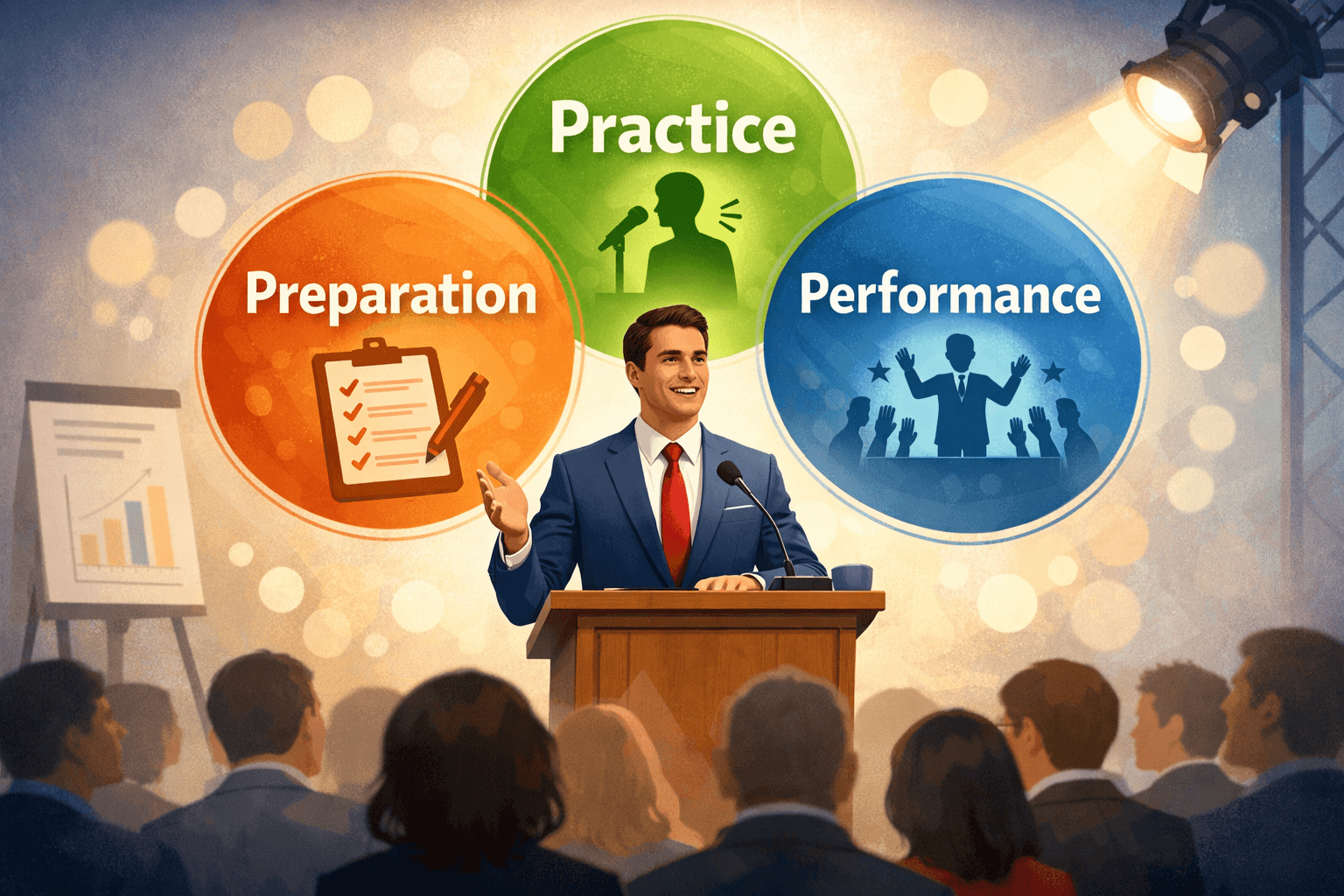
Preparation is the most powerful way to avoid job interview mistakes.
Effective preparation includes:
Researching the company and role
Practicing common interview questions
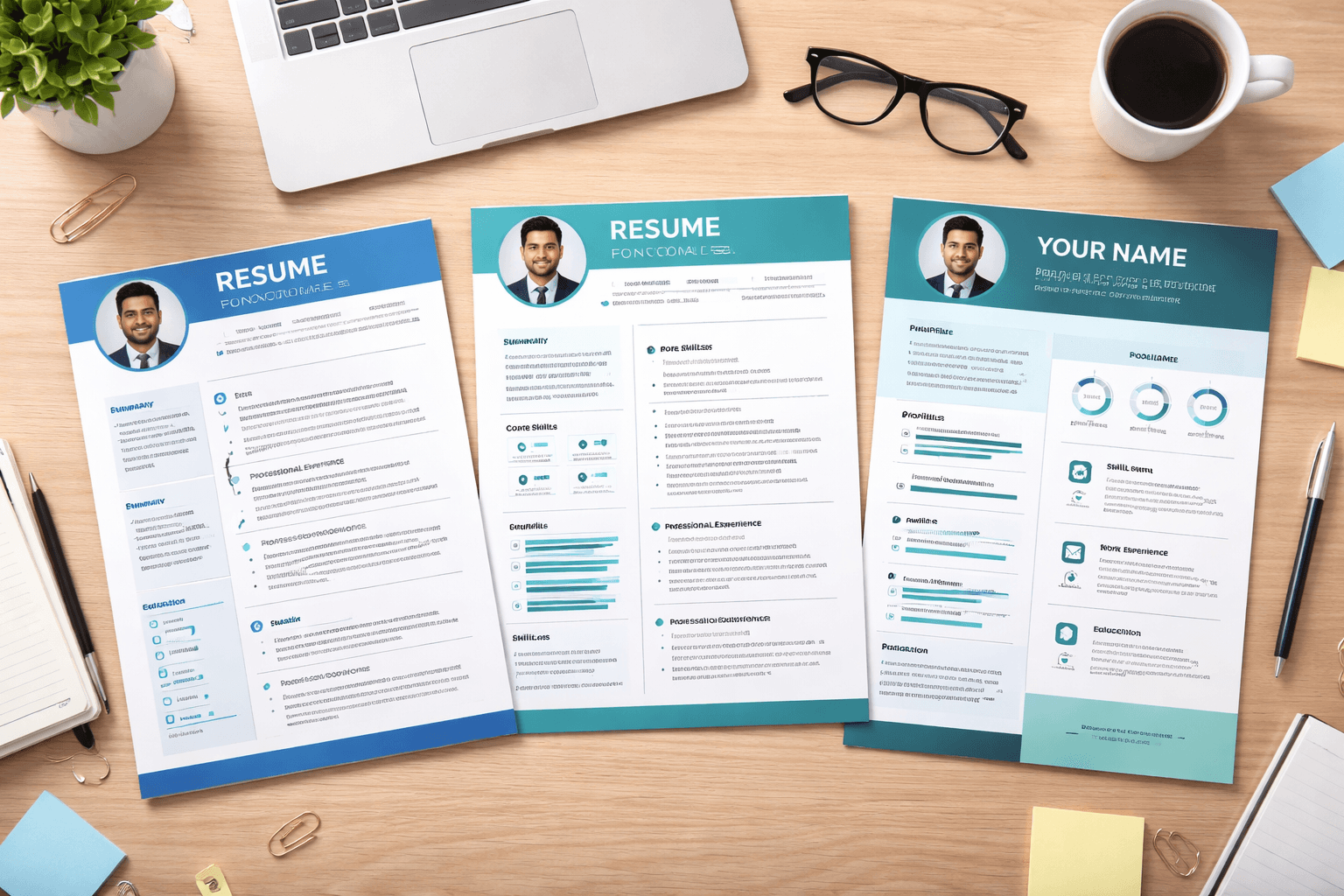
Preparing your resume and cover letter
Planning your outfit
If you are unsure about your career direction, a career decision-making guide can help you choose the right opportunities.
Tips to Improve Your Interview Performance
Improving your interview performance requires consistent effort.
Follow these tips:
Practice mock interviews
Record your answers and review them
Improve communication skills
Focus on clarity and confidence
Learn from past interviews
You can also build better habits through structured learning. Explore how preparation connects with interview performance tips and long-term career growth.
Communication Mistakes to Avoid in Interviews
Communication is one of the most important factors in interviews.
Common mistakes include:
Speaking too fast or too slow
Using unclear language
Interrupting the interviewer
Not listening carefully
Overusing filler words
Strong communication skills help you present your ideas clearly and confidently.
Final Checklist for a Successful Job Interview
Before attending your next interview, use this checklist:
Research the company
Prepare answers to common questions
Dress professionally
Practice body language
Carry required documents
Plan your travel in advance
Stay calm and confident
If you want to build long-term career skills, you can also check out all available courses to strengthen your interview preparation and professional growth.
Conclusion
Job interview mistakes are often small but impactful. They can reduce your chances even when you are qualified for the role.
By improving preparation, communication, and confidence, you can avoid these mistakes and perform better in interviews. Focus on consistency, practice, and self-awareness to improve over time.
Start applying these strategies today and turn every interview into an opportunity for success.
FAQs
1. What are the most common job interview mistakes?
Common mistakes include poor preparation, weak communication, and lack of confidence.
2. How can I avoid mistakes during an interview?
Prepare thoroughly, practice answers, and maintain confident body language.
3. What should I not say in a job interview?
Avoid negative comments about previous employers or unclear responses.
4. How important is body language in interviews?
Body language plays a major role in creating a positive impression.
5. How can I improve my interview confidence?
Practice regularly, prepare well, and focus on clear communication.
6. What are common preparation mistakes candidates make?
Not researching the company and not practicing interview questions.
7. How should I answer difficult interview questions?
Stay calm, structure your answer, and use real examples.
8. What should I do after a job interview?
Send a follow-up message and reflect on your performance.
9. Can interview mistakes cost you the job opportunity?
Yes, even small mistakes can impact the final decision.
10. How can I practice for a job interview effectively?
Use mock interviews, record your responses, and review your performance.


Job interview mistakes can quietly ruin your chances even when you are qualified for the role. Many candidates prepare their resumes but fail to prepare for the actual interview experience. If you are working on understanding career development, avoiding these mistakes becomes a critical step toward success.
The real problem is not lack of knowledge. It is small errors in communication, behavior, and preparation that create a negative impression. Recruiters often decide within minutes whether a candidate is a good fit.
The solution is simple. Identify these mistakes early and fix them with clear strategies. This guide will help you understand common job interview mistakes and how to avoid them effectively.
What Are Common Job Interview Mistakes?
Common job interview mistakes are errors that reduce your chances of getting selected, even if your qualifications are strong.
These mistakes include:
Poor preparation
Weak communication skills
Lack of confidence
Incorrect body language
Not understanding the role
These issues often come from a lack of structured interview preparation.
Body Language Errors During Interviews
Your body language speaks before you even say a word.
Common body language mistakes include:
Avoiding eye contact
Slouching posture
Fidgeting hands
Weak handshake
Lack of facial expressions
Good body language shows confidence and professionalism. Maintaining proper eye contact and posture can significantly improve your interview performance.
Why Avoiding Interview Mistakes Is Important for Career Growth
Every interview is an opportunity. Making repeated mistakes can delay your career progress.
Avoiding job interview mistakes helps you:
Build confidence
Improve communication skills
Increase selection chances
Create a strong first impression
If you want faster progress, applying how 90-day goals improve productivity can help you track improvements and prepare more effectively for interviews.
How to Answer Interview Questions Confidently
Many candidates struggle with answering interview questions, even when they know the answers.
To improve:
Understand the question before answering
Keep answers clear and structured
Use real examples
Avoid over-explaining
Stay calm and focused
Confidence comes from preparation and practice.
Top Job Interview Mistakes Candidates Make
Here are some of the most common interview mistakes to avoid:
Arriving late or too early
Not researching the company
Speaking negatively about previous employers
Giving unclear or long answers
Dressing inappropriately
These mistakes can create a negative impression quickly.
Mistakes to Avoid Before and After the Interview
Interview mistakes are not limited to the interview itself.
Before the interview:
Not reviewing your resume
Ignoring job requirements
Lack of preparation
After the interview:
Not sending a follow-up message
Ignoring communication from recruiters
Not reflecting on your performance
Avoiding these mistakes helps you stand out professionally.
How to Prepare Effectively for a Job Interview
Preparation is the most powerful way to avoid job interview mistakes.
Effective preparation includes:
Researching the company and role
Practicing common interview questions
Preparing your resume and cover letter
Planning your outfit
If you are unsure about your career direction, a career decision-making guide can help you choose the right opportunities.
Tips to Improve Your Interview Performance
Improving your interview performance requires consistent effort.
Follow these tips:
Practice mock interviews
Record your answers and review them
Improve communication skills
Focus on clarity and confidence
Learn from past interviews
You can also build better habits through structured learning. Explore how preparation connects with interview performance tips and long-term career growth.
Communication Mistakes to Avoid in Interviews
Communication is one of the most important factors in interviews.
Common mistakes include:
Speaking too fast or too slow
Using unclear language
Interrupting the interviewer
Not listening carefully
Overusing filler words
Strong communication skills help you present your ideas clearly and confidently.
Final Checklist for a Successful Job Interview
Before attending your next interview, use this checklist:
Research the company
Prepare answers to common questions
Dress professionally
Practice body language
Carry required documents
Plan your travel in advance
Stay calm and confident
If you want to build long-term career skills, you can also check out all available courses to strengthen your interview preparation and professional growth.
Conclusion
Job interview mistakes are often small but impactful. They can reduce your chances even when you are qualified for the role.
By improving preparation, communication, and confidence, you can avoid these mistakes and perform better in interviews. Focus on consistency, practice, and self-awareness to improve over time.
Start applying these strategies today and turn every interview into an opportunity for success.
FAQs
1. What are the most common job interview mistakes?
Common mistakes include poor preparation, weak communication, and lack of confidence.
2. How can I avoid mistakes during an interview?
Prepare thoroughly, practice answers, and maintain confident body language.
3. What should I not say in a job interview?
Avoid negative comments about previous employers or unclear responses.
4. How important is body language in interviews?
Body language plays a major role in creating a positive impression.
5. How can I improve my interview confidence?
Practice regularly, prepare well, and focus on clear communication.
6. What are common preparation mistakes candidates make?
Not researching the company and not practicing interview questions.
7. How should I answer difficult interview questions?
Stay calm, structure your answer, and use real examples.
8. What should I do after a job interview?
Send a follow-up message and reflect on your performance.
9. Can interview mistakes cost you the job opportunity?
Yes, even small mistakes can impact the final decision.
10. How can I practice for a job interview effectively?
Use mock interviews, record your responses, and review your performance.
Job interview mistakes can quietly ruin your chances even when you are qualified for the role. Many candidates prepare their resumes but fail to prepare for the actual interview experience. If you are working on understanding career development, avoiding these mistakes becomes a critical step toward success.
The real problem is not lack of knowledge. It is small errors in communication, behavior, and preparation that create a negative impression. Recruiters often decide within minutes whether a candidate is a good fit.
The solution is simple. Identify these mistakes early and fix them with clear strategies. This guide will help you understand common job interview mistakes and how to avoid them effectively.
What Are Common Job Interview Mistakes?
Common job interview mistakes are errors that reduce your chances of getting selected, even if your qualifications are strong.
These mistakes include:
Poor preparation
Weak communication skills
Lack of confidence
Incorrect body language
Not understanding the role
These issues often come from a lack of structured interview preparation.
Body Language Errors During Interviews
Your body language speaks before you even say a word.
Common body language mistakes include:
Avoiding eye contact
Slouching posture
Fidgeting hands
Weak handshake
Lack of facial expressions
Good body language shows confidence and professionalism. Maintaining proper eye contact and posture can significantly improve your interview performance.
Why Avoiding Interview Mistakes Is Important for Career Growth
Every interview is an opportunity. Making repeated mistakes can delay your career progress.
Avoiding job interview mistakes helps you:
Build confidence
Improve communication skills
Increase selection chances
Create a strong first impression
If you want faster progress, applying how 90-day goals improve productivity can help you track improvements and prepare more effectively for interviews.
How to Answer Interview Questions Confidently
Many candidates struggle with answering interview questions, even when they know the answers.
To improve:
Understand the question before answering
Keep answers clear and structured
Use real examples
Avoid over-explaining
Stay calm and focused
Confidence comes from preparation and practice.
Top Job Interview Mistakes Candidates Make
Here are some of the most common interview mistakes to avoid:
Arriving late or too early
Not researching the company
Speaking negatively about previous employers
Giving unclear or long answers
Dressing inappropriately
These mistakes can create a negative impression quickly.
Mistakes to Avoid Before and After the Interview
Interview mistakes are not limited to the interview itself.
Before the interview:
Not reviewing your resume
Ignoring job requirements
Lack of preparation
After the interview:
Not sending a follow-up message
Ignoring communication from recruiters
Not reflecting on your performance
Avoiding these mistakes helps you stand out professionally.
How to Prepare Effectively for a Job Interview
Preparation is the most powerful way to avoid job interview mistakes.
Effective preparation includes:
Researching the company and role
Practicing common interview questions
Preparing your resume and cover letter
Planning your outfit
If you are unsure about your career direction, a career decision-making guide can help you choose the right opportunities.
Tips to Improve Your Interview Performance
Improving your interview performance requires consistent effort.
Follow these tips:
Practice mock interviews
Record your answers and review them
Improve communication skills
Focus on clarity and confidence
Learn from past interviews
You can also build better habits through structured learning. Explore how preparation connects with interview performance tips and long-term career growth.
Communication Mistakes to Avoid in Interviews
Communication is one of the most important factors in interviews.
Common mistakes include:
Speaking too fast or too slow
Using unclear language
Interrupting the interviewer
Not listening carefully
Overusing filler words
Strong communication skills help you present your ideas clearly and confidently.
Final Checklist for a Successful Job Interview
Before attending your next interview, use this checklist:
Research the company
Prepare answers to common questions
Dress professionally
Practice body language
Carry required documents
Plan your travel in advance
Stay calm and confident
If you want to build long-term career skills, you can also check out all available courses to strengthen your interview preparation and professional growth.
Conclusion
Job interview mistakes are often small but impactful. They can reduce your chances even when you are qualified for the role.
By improving preparation, communication, and confidence, you can avoid these mistakes and perform better in interviews. Focus on consistency, practice, and self-awareness to improve over time.
Start applying these strategies today and turn every interview into an opportunity for success.
FAQs
1. What are the most common job interview mistakes?
Common mistakes include poor preparation, weak communication, and lack of confidence.
2. How can I avoid mistakes during an interview?
Prepare thoroughly, practice answers, and maintain confident body language.
3. What should I not say in a job interview?
Avoid negative comments about previous employers or unclear responses.
4. How important is body language in interviews?
Body language plays a major role in creating a positive impression.
5. How can I improve my interview confidence?
Practice regularly, prepare well, and focus on clear communication.
6. What are common preparation mistakes candidates make?
Not researching the company and not practicing interview questions.
7. How should I answer difficult interview questions?
Stay calm, structure your answer, and use real examples.
8. What should I do after a job interview?
Send a follow-up message and reflect on your performance.
9. Can interview mistakes cost you the job opportunity?
Yes, even small mistakes can impact the final decision.
10. How can I practice for a job interview effectively?
Use mock interviews, record your responses, and review your performance.
© Copyright 2025
© Copyright 2025
© Copyright 2025