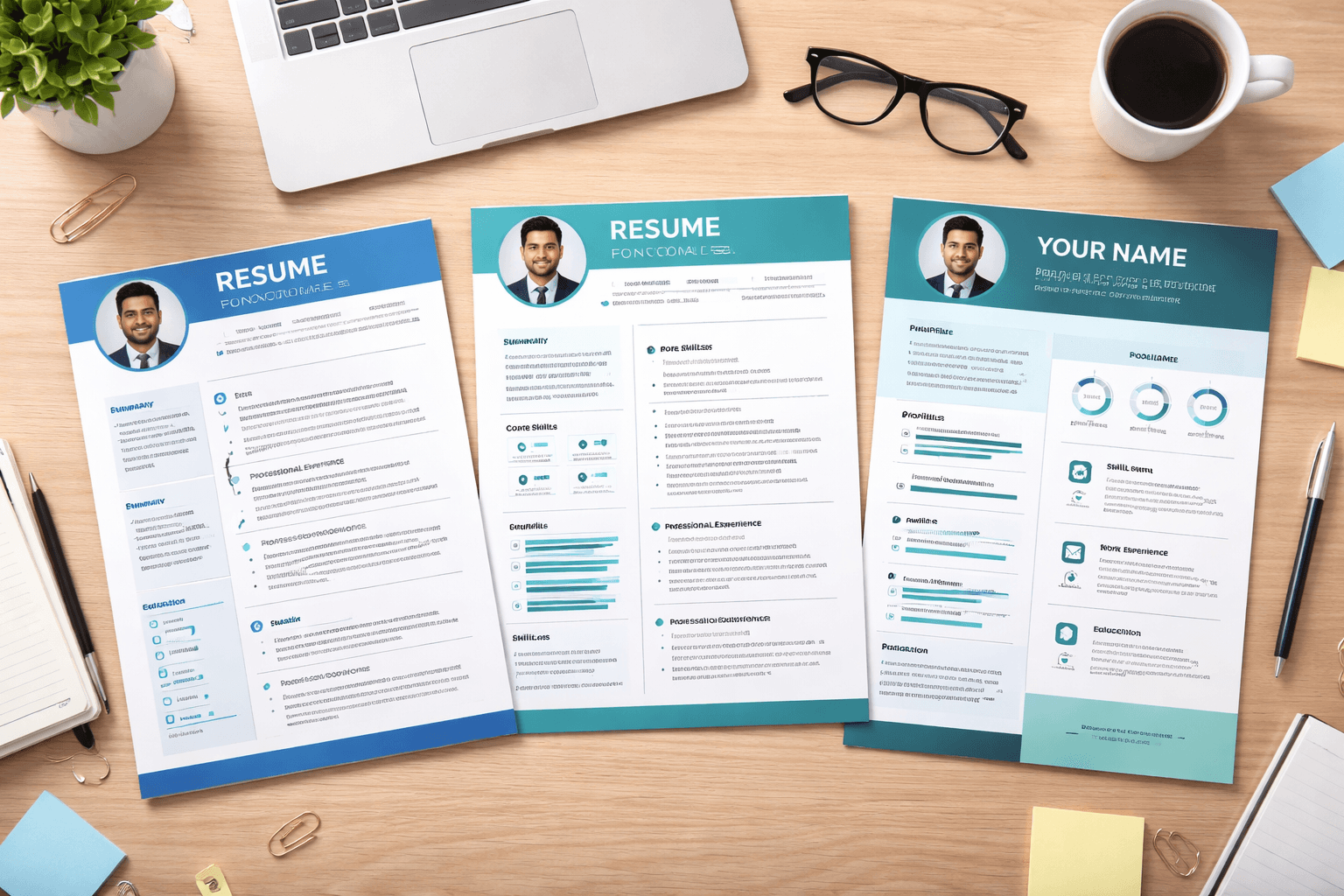
Choosing the best resume format is one of the most important decisions in your job search, yet many candidates overlook it. A poorly structured resume can reduce your chances, even if your skills are strong. If you are serious about understanding career development, your resume format needs to reflect clarity and professionalism.
The problem is simple. Recruiters spend only a few seconds scanning each resume. If your format is confusing or outdated, your application may get ignored before it is even read.
The solution is using a modern, structured, and ATS friendly resume format that aligns with recruiter expectations. This guide explains what works in 2026 and how you can apply it effectively.
What Is the Best Resume Format in 2026?
The best resume format in 2026 is one that is:
Clear and easy to scan
ATS friendly
Structured with relevant sections
Focused on achievements rather than responsibilities
Most recruiters prefer formats that highlight experience, skills, and measurable results in a clean layout.
A modern resume format typically includes:
Professional summary
Work experience
Skills section
Education
Certifications if applicable
The goal is to make your resume readable for both humans and applicant tracking systems.
What Recruiters Look for in a Resume Format
Recruiters are not just looking at your experience. They evaluate how your information is presented.
They focus on:
Clear section headings
Consistent formatting
Relevant keywords
Logical flow of information
Easy readability
A cluttered resume or overly designed layout can reduce readability and hurt your chances.
Types of Resume Formats Explained
There are three main types of resume formats:
Chronological resume format
Functional resume format
Combination resume format
Each format serves a different purpose depending on your experience level and career goals.
How to Choose the Right Resume Format for Your Career
Selecting the best resume format depends on your situation.
Consider these factors:
Your work experience
Career gaps
Industry expectations
Job role requirements
If you are unsure about your direction, using a career decision-making guide can help you align your resume with the right opportunities.
Chronological Resume Format: Pros and Use Cases
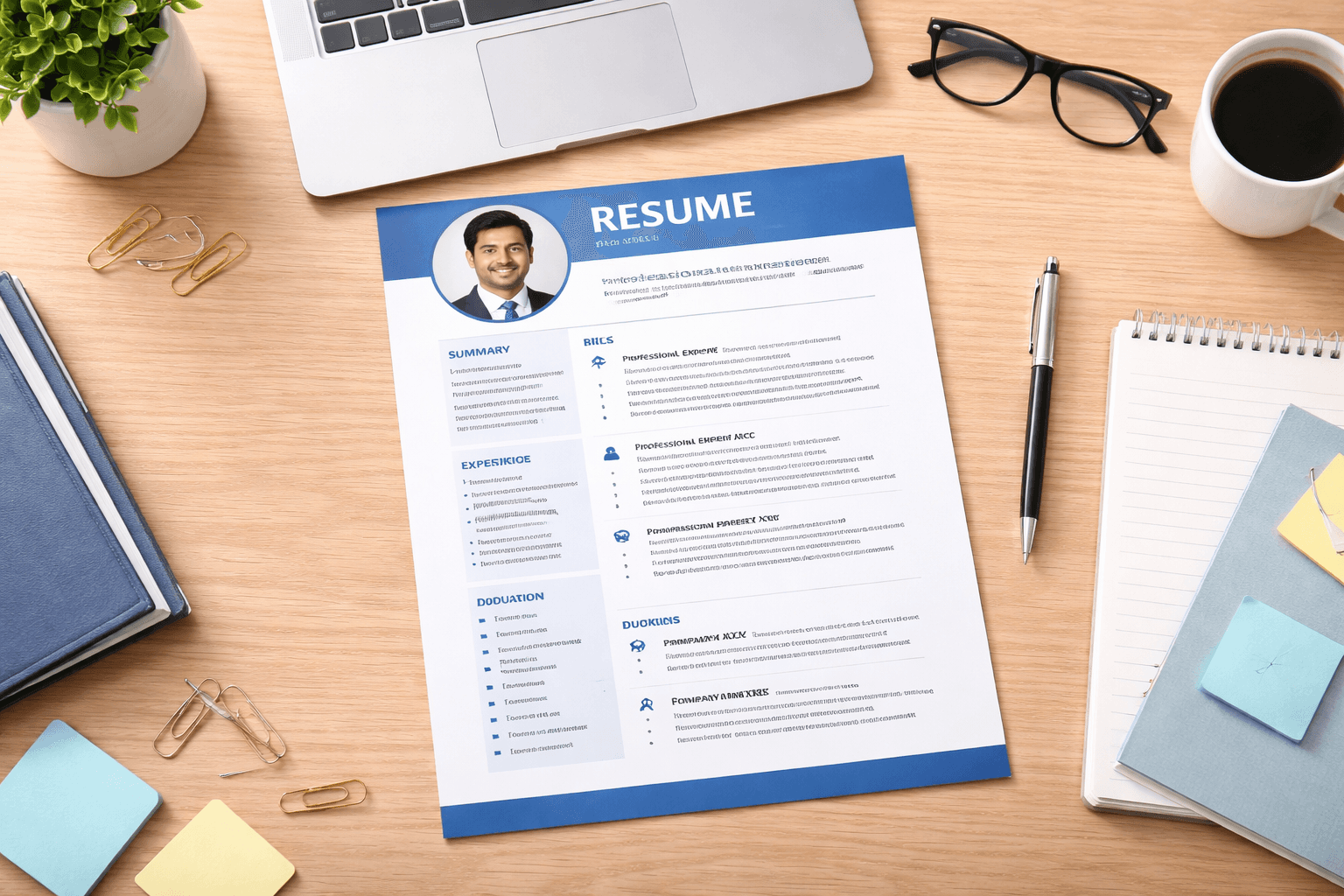
This is the most commonly used format.
It lists your work experience in reverse chronological order.
Best for:
Experienced professionals
Candidates with consistent work history
Advantages:
Easy for recruiters to understand
Preferred by most hiring managers
Highlights career progression
However, it may not work well if you have career gaps.
Functional Resume Format: When to Use It
The functional resume focuses on skills rather than work experience.
Best for:
Freshers
Career changers
Candidates with gaps
Advantages:
Highlights skills
Reduces focus on gaps
Limitations:
Less preferred by recruiters
Can appear less transparent
Combination Resume Format: Best of Both Worlds
This format combines skills and experience.
Best for:
Mid level professionals
Candidates with diverse experience
It allows you to:
Showcase skills
Highlight experience
Maintain flexibility
This format is becoming more popular in 2026 due to its balance.
Common Resume Formatting Mistakes to Avoid
Many candidates make simple mistakes that reduce their chances.
Avoid:
Using outdated resume templates
Adding too much text
Ignoring ATS requirements
Using inconsistent fonts
Including irrelevant information
Even small formatting errors can impact your application.
Tips to Make Your Resume Stand Out in 2026
To create a strong resume, focus on clarity and relevance.
Key tips:
Use bullet points for readability
Add measurable achievements
Customize your resume for each job
Keep the design clean and simple
Use industry relevant keywords
If you want to improve overall productivity while preparing for job applications, applying how 90-day goals improve productivity can help you stay consistent and focused.
Resume Formatting Checklist for Job Seekers
Before submitting your resume, check the following:
Is the format clean and structured
Are sections clearly defined
Is it ATS friendly
Are keywords relevant to the job
Is the content concise and clear
A well structured resume increases your chances of getting shortlisted.
Why Resume Format Matters for Career Growth
Your resume is often your first impression.
A strong resume format helps you:
Get noticed by recruiters
Pass ATS screening
Communicate your value clearly
Increase interview opportunities
To strengthen your career journey further, you can also explore how resume building connects with long term growth by choosing to check out all available courses and improve your skills.
Conclusion
The best resume format in 2026 is not about design alone. It is about clarity, structure, and relevance.
By choosing the right format, avoiding common mistakes, and aligning your resume with recruiter expectations, you can significantly improve your chances of success.
Start refining your resume today and make it work as a powerful tool in your job search.
FAQs
1. What is the best resume format for 2026?
The best format is clean, ATS friendly, and focused on achievements and skills.
2. Which resume format do recruiters prefer?
Most recruiters prefer the chronological format for its clarity and structure.
3. What is an ATS friendly resume format?
It is a format that can be easily read by applicant tracking systems using simple layouts and keywords.
4. Should I use a chronological or functional resume?
Use chronological if you have consistent experience and functional if you have gaps or are switching careers.
5. What are the key sections of a resume?
Summary, work experience, skills, education, and certifications.
6. How can I make my resume stand out?
Use clear formatting, highlight achievements, and customize it for each job.
7. What are common resume formatting mistakes?
Cluttered layout, inconsistent fonts, and ignoring ATS optimization.
8. How long should a resume be?
Typically one to two pages depending on experience.
9. Can I customize my resume for different jobs?
Yes, customization improves relevance and increases chances of selection.
10. What is the difference between a CV and a resume?
A resume is concise, while a CV is more detailed and used for academic or research roles.




Choosing the best resume format is one of the most important decisions in your job search, yet many candidates overlook it. A poorly structured resume can reduce your chances, even if your skills are strong. If you are serious about understanding career development, your resume format needs to reflect clarity and professionalism.
The problem is simple. Recruiters spend only a few seconds scanning each resume. If your format is confusing or outdated, your application may get ignored before it is even read.
The solution is using a modern, structured, and ATS friendly resume format that aligns with recruiter expectations. This guide explains what works in 2026 and how you can apply it effectively.
What Is the Best Resume Format in 2026?
The best resume format in 2026 is one that is:
Clear and easy to scan
ATS friendly
Structured with relevant sections
Focused on achievements rather than responsibilities
Most recruiters prefer formats that highlight experience, skills, and measurable results in a clean layout.
A modern resume format typically includes:
Professional summary
Work experience
Skills section
Education
Certifications if applicable
The goal is to make your resume readable for both humans and applicant tracking systems.
What Recruiters Look for in a Resume Format
Recruiters are not just looking at your experience. They evaluate how your information is presented.
They focus on:
Clear section headings
Consistent formatting
Relevant keywords
Logical flow of information
Easy readability
A cluttered resume or overly designed layout can reduce readability and hurt your chances.
Types of Resume Formats Explained
There are three main types of resume formats:
Chronological resume format
Functional resume format
Combination resume format
Each format serves a different purpose depending on your experience level and career goals.
How to Choose the Right Resume Format for Your Career
Selecting the best resume format depends on your situation.
Consider these factors:
Your work experience
Career gaps
Industry expectations
Job role requirements
If you are unsure about your direction, using a career decision-making guide can help you align your resume with the right opportunities.
Chronological Resume Format: Pros and Use Cases
This is the most commonly used format.
It lists your work experience in reverse chronological order.
Best for:
Experienced professionals
Candidates with consistent work history
Advantages:
Easy for recruiters to understand
Preferred by most hiring managers
Highlights career progression
However, it may not work well if you have career gaps.
Functional Resume Format: When to Use It
The functional resume focuses on skills rather than work experience.
Best for:
Freshers
Career changers
Candidates with gaps
Advantages:
Highlights skills
Reduces focus on gaps
Limitations:
Less preferred by recruiters
Can appear less transparent
Combination Resume Format: Best of Both Worlds
This format combines skills and experience.
Best for:
Mid level professionals
Candidates with diverse experience
It allows you to:
Showcase skills
Highlight experience
Maintain flexibility
This format is becoming more popular in 2026 due to its balance.
Common Resume Formatting Mistakes to Avoid
Many candidates make simple mistakes that reduce their chances.
Avoid:
Using outdated resume templates
Adding too much text
Ignoring ATS requirements
Using inconsistent fonts
Including irrelevant information
Even small formatting errors can impact your application.
Tips to Make Your Resume Stand Out in 2026
To create a strong resume, focus on clarity and relevance.
Key tips:
Use bullet points for readability
Add measurable achievements
Customize your resume for each job
Keep the design clean and simple
Use industry relevant keywords
If you want to improve overall productivity while preparing for job applications, applying how 90-day goals improve productivity can help you stay consistent and focused.
Resume Formatting Checklist for Job Seekers
Before submitting your resume, check the following:
Is the format clean and structured
Are sections clearly defined
Is it ATS friendly
Are keywords relevant to the job
Is the content concise and clear
A well structured resume increases your chances of getting shortlisted.
Why Resume Format Matters for Career Growth
Your resume is often your first impression.
A strong resume format helps you:
Get noticed by recruiters
Pass ATS screening
Communicate your value clearly
Increase interview opportunities
To strengthen your career journey further, you can also explore how resume building connects with long term growth by choosing to check out all available courses and improve your skills.
Conclusion
The best resume format in 2026 is not about design alone. It is about clarity, structure, and relevance.
By choosing the right format, avoiding common mistakes, and aligning your resume with recruiter expectations, you can significantly improve your chances of success.
Start refining your resume today and make it work as a powerful tool in your job search.
FAQs
1. What is the best resume format for 2026?
The best format is clean, ATS friendly, and focused on achievements and skills.
2. Which resume format do recruiters prefer?
Most recruiters prefer the chronological format for its clarity and structure.
3. What is an ATS friendly resume format?
It is a format that can be easily read by applicant tracking systems using simple layouts and keywords.
4. Should I use a chronological or functional resume?
Use chronological if you have consistent experience and functional if you have gaps or are switching careers.
5. What are the key sections of a resume?
Summary, work experience, skills, education, and certifications.
6. How can I make my resume stand out?
Use clear formatting, highlight achievements, and customize it for each job.
7. What are common resume formatting mistakes?
Cluttered layout, inconsistent fonts, and ignoring ATS optimization.
8. How long should a resume be?
Typically one to two pages depending on experience.
9. Can I customize my resume for different jobs?
Yes, customization improves relevance and increases chances of selection.
10. What is the difference between a CV and a resume?
A resume is concise, while a CV is more detailed and used for academic or research roles.
Choosing the best resume format is one of the most important decisions in your job search, yet many candidates overlook it. A poorly structured resume can reduce your chances, even if your skills are strong. If you are serious about understanding career development, your resume format needs to reflect clarity and professionalism.
The problem is simple. Recruiters spend only a few seconds scanning each resume. If your format is confusing or outdated, your application may get ignored before it is even read.
The solution is using a modern, structured, and ATS friendly resume format that aligns with recruiter expectations. This guide explains what works in 2026 and how you can apply it effectively.
What Is the Best Resume Format in 2026?
The best resume format in 2026 is one that is:
Clear and easy to scan
ATS friendly
Structured with relevant sections
Focused on achievements rather than responsibilities
Most recruiters prefer formats that highlight experience, skills, and measurable results in a clean layout.
A modern resume format typically includes:
Professional summary
Work experience
Skills section
Education
Certifications if applicable
The goal is to make your resume readable for both humans and applicant tracking systems.
What Recruiters Look for in a Resume Format
Recruiters are not just looking at your experience. They evaluate how your information is presented.
They focus on:
Clear section headings
Consistent formatting
Relevant keywords
Logical flow of information
Easy readability
A cluttered resume or overly designed layout can reduce readability and hurt your chances.
Types of Resume Formats Explained
There are three main types of resume formats:
Chronological resume format
Functional resume format
Combination resume format
Each format serves a different purpose depending on your experience level and career goals.
How to Choose the Right Resume Format for Your Career
Selecting the best resume format depends on your situation.
Consider these factors:
Your work experience
Career gaps
Industry expectations
Job role requirements
If you are unsure about your direction, using a career decision-making guide can help you align your resume with the right opportunities.
Chronological Resume Format: Pros and Use Cases
This is the most commonly used format.
It lists your work experience in reverse chronological order.
Best for:
Experienced professionals
Candidates with consistent work history
Advantages:
Easy for recruiters to understand
Preferred by most hiring managers
Highlights career progression
However, it may not work well if you have career gaps.
Functional Resume Format: When to Use It
The functional resume focuses on skills rather than work experience.
Best for:
Freshers
Career changers
Candidates with gaps
Advantages:
Highlights skills
Reduces focus on gaps
Limitations:
Less preferred by recruiters
Can appear less transparent
Combination Resume Format: Best of Both Worlds
This format combines skills and experience.
Best for:
Mid level professionals
Candidates with diverse experience
It allows you to:
Showcase skills
Highlight experience
Maintain flexibility
This format is becoming more popular in 2026 due to its balance.
Common Resume Formatting Mistakes to Avoid
Many candidates make simple mistakes that reduce their chances.
Avoid:
Using outdated resume templates
Adding too much text
Ignoring ATS requirements
Using inconsistent fonts
Including irrelevant information
Even small formatting errors can impact your application.
Tips to Make Your Resume Stand Out in 2026
To create a strong resume, focus on clarity and relevance.
Key tips:
Use bullet points for readability
Add measurable achievements
Customize your resume for each job
Keep the design clean and simple
Use industry relevant keywords
If you want to improve overall productivity while preparing for job applications, applying how 90-day goals improve productivity can help you stay consistent and focused.
Resume Formatting Checklist for Job Seekers
Before submitting your resume, check the following:
Is the format clean and structured
Are sections clearly defined
Is it ATS friendly
Are keywords relevant to the job
Is the content concise and clear
A well structured resume increases your chances of getting shortlisted.
Why Resume Format Matters for Career Growth
Your resume is often your first impression.
A strong resume format helps you:
Get noticed by recruiters
Pass ATS screening
Communicate your value clearly
Increase interview opportunities
To strengthen your career journey further, you can also explore how resume building connects with long term growth by choosing to check out all available courses and improve your skills.
Conclusion
The best resume format in 2026 is not about design alone. It is about clarity, structure, and relevance.
By choosing the right format, avoiding common mistakes, and aligning your resume with recruiter expectations, you can significantly improve your chances of success.
Start refining your resume today and make it work as a powerful tool in your job search.
FAQs
1. What is the best resume format for 2026?
The best format is clean, ATS friendly, and focused on achievements and skills.
2. Which resume format do recruiters prefer?
Most recruiters prefer the chronological format for its clarity and structure.
3. What is an ATS friendly resume format?
It is a format that can be easily read by applicant tracking systems using simple layouts and keywords.
4. Should I use a chronological or functional resume?
Use chronological if you have consistent experience and functional if you have gaps or are switching careers.
5. What are the key sections of a resume?
Summary, work experience, skills, education, and certifications.
6. How can I make my resume stand out?
Use clear formatting, highlight achievements, and customize it for each job.
7. What are common resume formatting mistakes?
Cluttered layout, inconsistent fonts, and ignoring ATS optimization.
8. How long should a resume be?
Typically one to two pages depending on experience.
9. Can I customize my resume for different jobs?
Yes, customization improves relevance and increases chances of selection.
10. What is the difference between a CV and a resume?
A resume is concise, while a CV is more detailed and used for academic or research roles.
© Copyright 2025
© Copyright 2025
© Copyright 2025