

Go back

Communication Skills

26 Nov 2025

How Can I Improve Listening Skills in Communication Quickly?

listening skills in communication

Listening skills in communication matter more today than ever. Whether you are in a workplace meeting, a team discussion, or a personal conversation, the ability to listen actively can change how people respond to you. Strong listening makes communication smoother and reduces misunderstandings. If you feel that you hear people but do not always understand what they mean, you are not alone. Many people struggle with distractions, low attention span, and the habit of replying before fully understanding the speaker. The good news is that listening is a skill that can be strengthened with the right techniques. In this guide, you will learn practical ways to improve listening skills in communication quickly and apply them in everyday situations.

Effective Communication Skills

Effective communication skills start with listening, not speaking. You cannot respond well unless you clearly understand what the other person is saying. Here are the basics that build strong communication:

  • Be present and focused.

  • Make eye contact to show engagement.

  • Avoid interrupting or finishing sentences.

  • Use short verbal nods like “I understand” or “Okay”.

  • Pay attention to verbal and non-verbal cues.

These habits strengthen the speaker-listener connection and help you understand messages with clarity. If you want to improve communication at a deeper level, you can explore the communication skills course offered by WebVeda, which focuses on interaction, confidence, and clarity.

Workplace Listening Skills
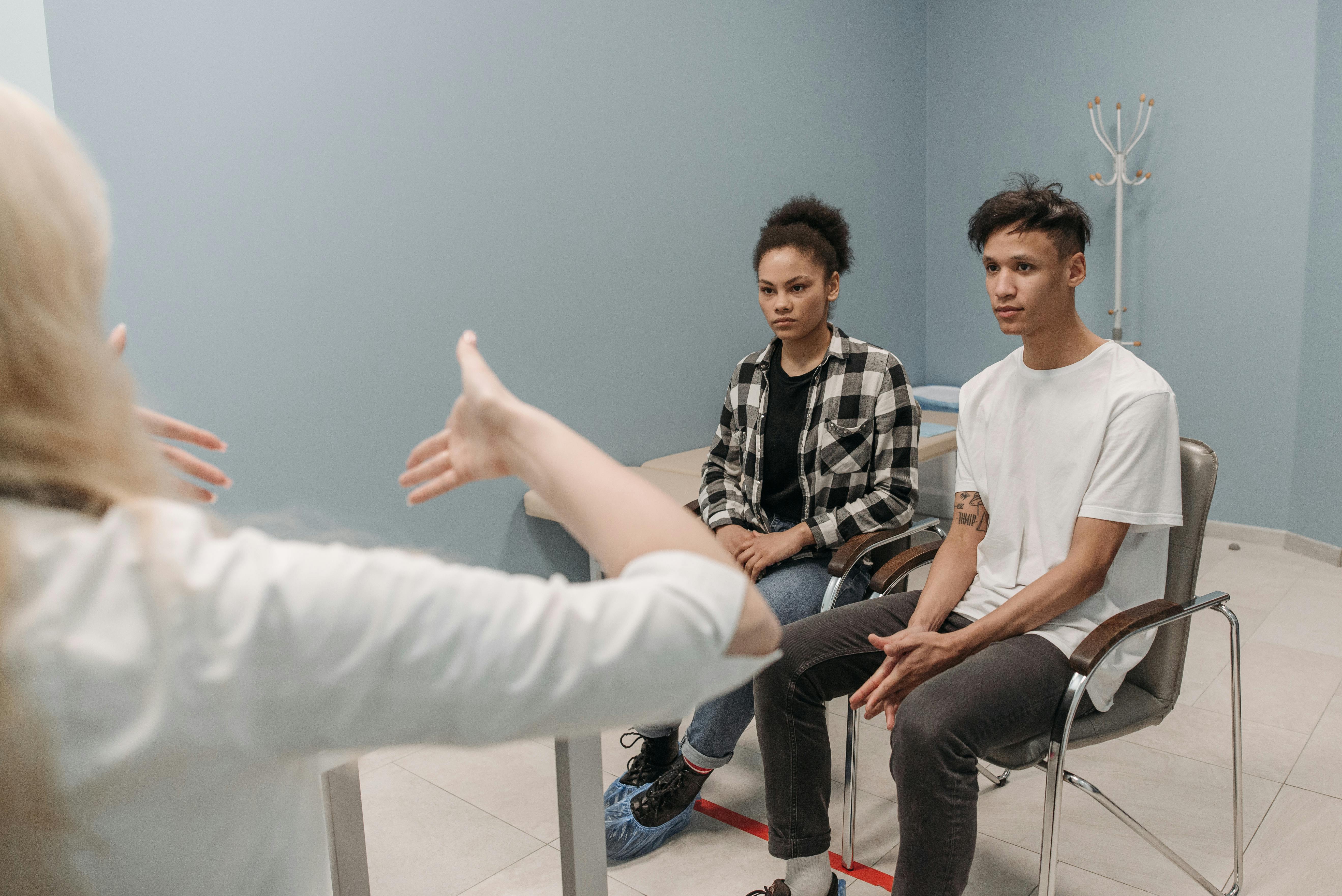

Workplace listening skills are essential for productivity and teamwork. Many professionals struggle because they listen only to respond, not to understand. This leads to errors, delays, and friction within teams—challenges that can be reduced by practicing clarity in communication, similar to how guides offering resume objective examples for beginners help freshers express themselves effectively. Here is how you can practice better listening at work:

  • Take short notes during meetings to increase focus.

  • Repeat key points to confirm understanding.

  • Ask clarifying questions instead of assuming meanings.

  • Limit multitasking during conversations.

  • Give your full attention when a colleague speaks.

When you use these methods consistently, your work quality improves because you have fewer misunderstandings and clearer instructions. Strong listening also strengthens your professional reputation, which is important if you want long-term career growth—something that structured learning platforms like the best personality development course online are designed to support.

Active Listening Techniques

Active listening techniques help you understand both the message and the emotion behind the message. These techniques include:

  • Maintaining open body language to show interest.

  • Listening without planning your next response.

  • Observing facial expressions and gestures.

  • Summarizing what the speaker said before giving your opinion.

  • Using questions like “Can you explain more?” or “What do you mean by that?”

These steps reduce communication gaps and build trust. Active listening is one of the most respected communication soft skills in modern workplaces because it improves teamwork and leadership.

Communication Soft Skills

Communication soft skills are essential for personal and professional growth. Listening plays a central role in this group of skills because it affects how well you speak, respond, and connect with others—especially when preparing strong communication skills for interviews that leave a confident impression. Strong listening improves your:

  • Emotional intelligence

  • Patience

  • Thought clarity

  • Decision-making ability

  • Relationship-building skills

These soft skills boost your confidence during conversations because you are not just hearing words but understanding the full message. If you want structured training, you can explore WebVeda or Check our all courses to find programs that help you strengthen communication skills from the basics.

Tips for Better Listening

If you want quick improvement, here are simple and effective tips for better listening that you can start using today:

  • Reduce background distractions like notifications, TV, or noise.

  • Make the speaker feel comfortable by sitting in a relaxed posture.

  • Avoid giving solutions immediately unless asked.

  • Slow down your thought process so you do not rush to reply.

  • Pay attention to tone, speed, and pauses.

  • Practice silence when needed. It helps the speaker continue naturally.

These small changes create a big impact. With consistent practice, you will notice that conversations become clearer, smoother, and more meaningful.

Quick Ways to Improve Listening

Here are some quick ways to improve listening that work for anyone:

  • Practice mindful listening for at least 2 minutes daily.

  • Do small exercises like repeating sentences mentally while listening.

  • Listen to podcasts and try summarizing them in one line.

  • Avoid judging or forming opinions too early.

  • Train your mind to stay present by focusing on one thing at a time.

These techniques strengthen your focus and concentration skills, making communication more effective.

Conclusion

Improving listening skills in communication does not require complicated strategies. Small yet powerful changes can upgrade your personal and professional conversations. When you listen well, your relationships improve, misunderstandings reduce, and people find it easier to trust you. Better listening also helps you grow in your career because it boosts teamwork, leadership, and confidence just as using the right digital tools, such as automated DM tools for Instagram, helps streamline communication in online environments. If you want structured guidance to improve your communication abilities, you can explore WebVeda and join programs that support long-term personal development and skill growth.

FAQs

How can I improve listening skills in communication quickly?

By focusing fully on the speaker, avoiding interruptions, observing non-verbal cues, and practicing active listening techniques consistently.

What are the key principles of active listening?

Presence, clarity, curiosity, summarizing, and showing genuine interest in the speaker.

Why do people struggle with listening during conversations?

Distractions, overthinking, planning responses quickly, and lack of focus are the main reasons.

How can I improve listening skills at work?

Take notes, repeat key points, ask questions, and reduce multitasking during meetings.

What habits help develop strong listening skills?

Mindfulness, patience, eye contact, and avoiding assumptions help you become a better listener.

Can listening skills improve overall communication?

Yes. Strong listening enhances clarity, confidence, understanding, and relationship quality.


Go back

Communication Skills

26 Nov 2025

How Can I Improve Listening Skills in Communication Quickly?

listening skills in communication

Listening skills in communication matter more today than ever. Whether you are in a workplace meeting, a team discussion, or a personal conversation, the ability to listen actively can change how people respond to you. Strong listening makes communication smoother and reduces misunderstandings. If you feel that you hear people but do not always understand what they mean, you are not alone. Many people struggle with distractions, low attention span, and the habit of replying before fully understanding the speaker. The good news is that listening is a skill that can be strengthened with the right techniques. In this guide, you will learn practical ways to improve listening skills in communication quickly and apply them in everyday situations.

Effective Communication Skills

Effective communication skills start with listening, not speaking. You cannot respond well unless you clearly understand what the other person is saying. Here are the basics that build strong communication:

  • Be present and focused.

  • Make eye contact to show engagement.

  • Avoid interrupting or finishing sentences.

  • Use short verbal nods like “I understand” or “Okay”.

  • Pay attention to verbal and non-verbal cues.

These habits strengthen the speaker-listener connection and help you understand messages with clarity. If you want to improve communication at a deeper level, you can explore the communication skills course offered by WebVeda, which focuses on interaction, confidence, and clarity.

Workplace Listening Skills


Workplace listening skills are essential for productivity and teamwork. Many professionals struggle because they listen only to respond, not to understand. This leads to errors, delays, and friction within teams—challenges that can be reduced by practicing clarity in communication, similar to how guides offering resume objective examples for beginners help freshers express themselves effectively. Here is how you can practice better listening at work:

  • Take short notes during meetings to increase focus.

  • Repeat key points to confirm understanding.

  • Ask clarifying questions instead of assuming meanings.

  • Limit multitasking during conversations.

  • Give your full attention when a colleague speaks.

When you use these methods consistently, your work quality improves because you have fewer misunderstandings and clearer instructions. Strong listening also strengthens your professional reputation, which is important if you want long-term career growth—something that structured learning platforms like the best personality development course online are designed to support.

Active Listening Techniques

Active listening techniques help you understand both the message and the emotion behind the message. These techniques include:

  • Maintaining open body language to show interest.

  • Listening without planning your next response.

  • Observing facial expressions and gestures.

  • Summarizing what the speaker said before giving your opinion.

  • Using questions like “Can you explain more?” or “What do you mean by that?”

These steps reduce communication gaps and build trust. Active listening is one of the most respected communication soft skills in modern workplaces because it improves teamwork and leadership.

Communication Soft Skills

Communication soft skills are essential for personal and professional growth. Listening plays a central role in this group of skills because it affects how well you speak, respond, and connect with others—especially when preparing strong communication skills for interviews that leave a confident impression. Strong listening improves your:

  • Emotional intelligence

  • Patience

  • Thought clarity

  • Decision-making ability

  • Relationship-building skills

These soft skills boost your confidence during conversations because you are not just hearing words but understanding the full message. If you want structured training, you can explore WebVeda or Check our all courses to find programs that help you strengthen communication skills from the basics.

Tips for Better Listening

If you want quick improvement, here are simple and effective tips for better listening that you can start using today:

  • Reduce background distractions like notifications, TV, or noise.

  • Make the speaker feel comfortable by sitting in a relaxed posture.

  • Avoid giving solutions immediately unless asked.

  • Slow down your thought process so you do not rush to reply.

  • Pay attention to tone, speed, and pauses.

  • Practice silence when needed. It helps the speaker continue naturally.

These small changes create a big impact. With consistent practice, you will notice that conversations become clearer, smoother, and more meaningful.

Quick Ways to Improve Listening

Here are some quick ways to improve listening that work for anyone:

  • Practice mindful listening for at least 2 minutes daily.

  • Do small exercises like repeating sentences mentally while listening.

  • Listen to podcasts and try summarizing them in one line.

  • Avoid judging or forming opinions too early.

  • Train your mind to stay present by focusing on one thing at a time.

These techniques strengthen your focus and concentration skills, making communication more effective.

Conclusion

Improving listening skills in communication does not require complicated strategies. Small yet powerful changes can upgrade your personal and professional conversations. When you listen well, your relationships improve, misunderstandings reduce, and people find it easier to trust you. Better listening also helps you grow in your career because it boosts teamwork, leadership, and confidence just as using the right digital tools, such as automated DM tools for Instagram, helps streamline communication in online environments. If you want structured guidance to improve your communication abilities, you can explore WebVeda and join programs that support long-term personal development and skill growth.

FAQs

How can I improve listening skills in communication quickly?

By focusing fully on the speaker, avoiding interruptions, observing non-verbal cues, and practicing active listening techniques consistently.

What are the key principles of active listening?

Presence, clarity, curiosity, summarizing, and showing genuine interest in the speaker.

Why do people struggle with listening during conversations?

Distractions, overthinking, planning responses quickly, and lack of focus are the main reasons.

How can I improve listening skills at work?

Take notes, repeat key points, ask questions, and reduce multitasking during meetings.

What habits help develop strong listening skills?

Mindfulness, patience, eye contact, and avoiding assumptions help you become a better listener.

Can listening skills improve overall communication?

Yes. Strong listening enhances clarity, confidence, understanding, and relationship quality.


Go back

Communication Skills

26 Nov 2025

How Can I Improve Listening Skills in Communication Quickly?

listening skills in communication

Listening skills in communication matter more today than ever. Whether you are in a workplace meeting, a team discussion, or a personal conversation, the ability to listen actively can change how people respond to you. Strong listening makes communication smoother and reduces misunderstandings. If you feel that you hear people but do not always understand what they mean, you are not alone. Many people struggle with distractions, low attention span, and the habit of replying before fully understanding the speaker. The good news is that listening is a skill that can be strengthened with the right techniques. In this guide, you will learn practical ways to improve listening skills in communication quickly and apply them in everyday situations.

Effective Communication Skills

Effective communication skills start with listening, not speaking. You cannot respond well unless you clearly understand what the other person is saying. Here are the basics that build strong communication:

  • Be present and focused.

  • Make eye contact to show engagement.

  • Avoid interrupting or finishing sentences.

  • Use short verbal nods like “I understand” or “Okay”.

  • Pay attention to verbal and non-verbal cues.

These habits strengthen the speaker-listener connection and help you understand messages with clarity. If you want to improve communication at a deeper level, you can explore the communication skills course offered by WebVeda, which focuses on interaction, confidence, and clarity.

Workplace Listening Skills


Workplace listening skills are essential for productivity and teamwork. Many professionals struggle because they listen only to respond, not to understand. This leads to errors, delays, and friction within teams—challenges that can be reduced by practicing clarity in communication, similar to how guides offering resume objective examples for beginners help freshers express themselves effectively. Here is how you can practice better listening at work:

  • Take short notes during meetings to increase focus.

  • Repeat key points to confirm understanding.

  • Ask clarifying questions instead of assuming meanings.

  • Limit multitasking during conversations.

  • Give your full attention when a colleague speaks.

When you use these methods consistently, your work quality improves because you have fewer misunderstandings and clearer instructions. Strong listening also strengthens your professional reputation, which is important if you want long-term career growth—something that structured learning platforms like the best personality development course online are designed to support.

Active Listening Techniques

Active listening techniques help you understand both the message and the emotion behind the message. These techniques include:

  • Maintaining open body language to show interest.

  • Listening without planning your next response.

  • Observing facial expressions and gestures.

  • Summarizing what the speaker said before giving your opinion.

  • Using questions like “Can you explain more?” or “What do you mean by that?”

These steps reduce communication gaps and build trust. Active listening is one of the most respected communication soft skills in modern workplaces because it improves teamwork and leadership.

Communication Soft Skills

Communication soft skills are essential for personal and professional growth. Listening plays a central role in this group of skills because it affects how well you speak, respond, and connect with others—especially when preparing strong communication skills for interviews that leave a confident impression. Strong listening improves your:

  • Emotional intelligence

  • Patience

  • Thought clarity

  • Decision-making ability

  • Relationship-building skills

These soft skills boost your confidence during conversations because you are not just hearing words but understanding the full message. If you want structured training, you can explore WebVeda or Check our all courses to find programs that help you strengthen communication skills from the basics.

Tips for Better Listening

If you want quick improvement, here are simple and effective tips for better listening that you can start using today:

  • Reduce background distractions like notifications, TV, or noise.

  • Make the speaker feel comfortable by sitting in a relaxed posture.

  • Avoid giving solutions immediately unless asked.

  • Slow down your thought process so you do not rush to reply.

  • Pay attention to tone, speed, and pauses.

  • Practice silence when needed. It helps the speaker continue naturally.

These small changes create a big impact. With consistent practice, you will notice that conversations become clearer, smoother, and more meaningful.

Quick Ways to Improve Listening

Here are some quick ways to improve listening that work for anyone:

  • Practice mindful listening for at least 2 minutes daily.

  • Do small exercises like repeating sentences mentally while listening.

  • Listen to podcasts and try summarizing them in one line.

  • Avoid judging or forming opinions too early.

  • Train your mind to stay present by focusing on one thing at a time.

These techniques strengthen your focus and concentration skills, making communication more effective.

Conclusion

Improving listening skills in communication does not require complicated strategies. Small yet powerful changes can upgrade your personal and professional conversations. When you listen well, your relationships improve, misunderstandings reduce, and people find it easier to trust you. Better listening also helps you grow in your career because it boosts teamwork, leadership, and confidence just as using the right digital tools, such as automated DM tools for Instagram, helps streamline communication in online environments. If you want structured guidance to improve your communication abilities, you can explore WebVeda and join programs that support long-term personal development and skill growth.

FAQs

How can I improve listening skills in communication quickly?

By focusing fully on the speaker, avoiding interruptions, observing non-verbal cues, and practicing active listening techniques consistently.

What are the key principles of active listening?

Presence, clarity, curiosity, summarizing, and showing genuine interest in the speaker.

Why do people struggle with listening during conversations?

Distractions, overthinking, planning responses quickly, and lack of focus are the main reasons.

How can I improve listening skills at work?

Take notes, repeat key points, ask questions, and reduce multitasking during meetings.

What habits help develop strong listening skills?

Mindfulness, patience, eye contact, and avoiding assumptions help you become a better listener.

Can listening skills improve overall communication?

Yes. Strong listening enhances clarity, confidence, understanding, and relationship quality.