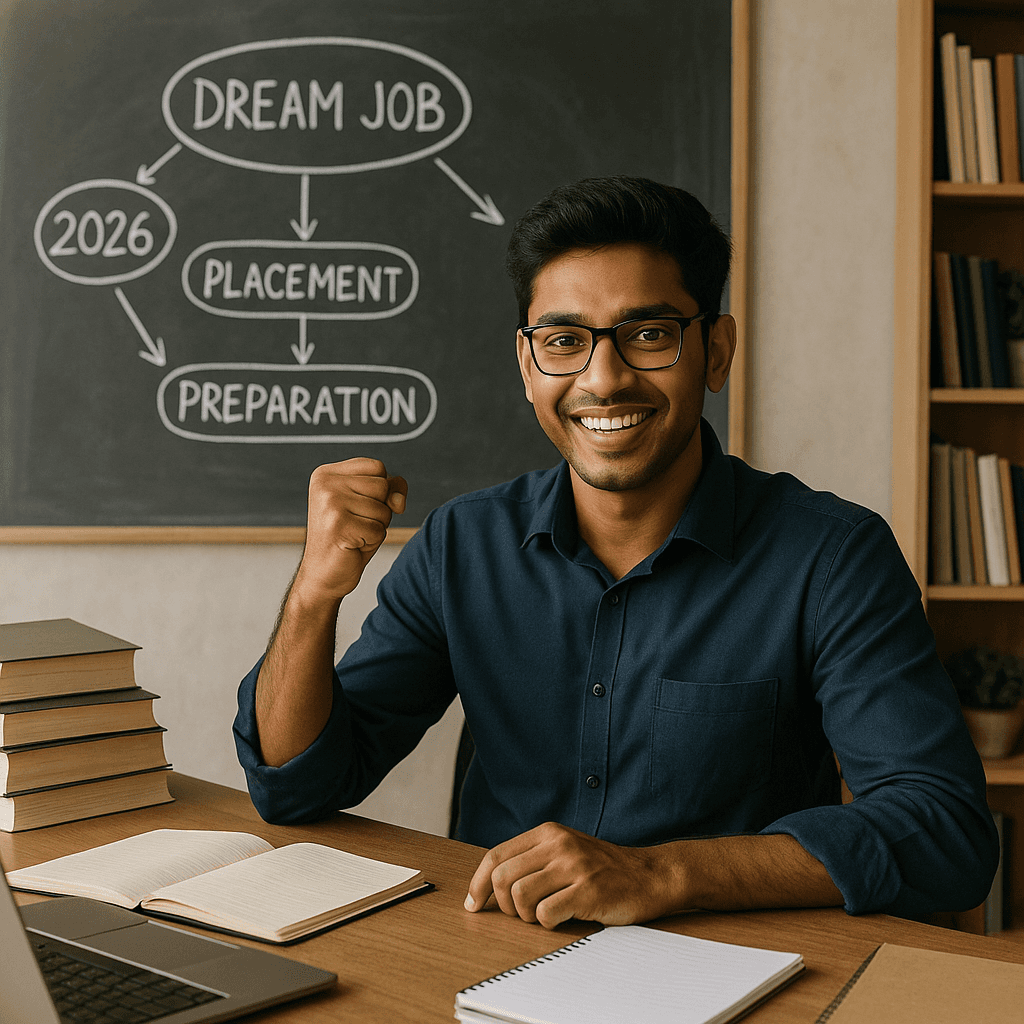
Placement preparation is becoming more important than ever as competition rises and companies raise their expectations for fresh graduates. Many job applicants enter the placement season without clear planning, which leads to missed opportunities and weak performance in interviews. If you want to stand out and secure a strong offer in 2026, you need structured placement preparation strategies that help you build confidence and master the skills recruiters look for.
The goal is simple. You want to be fully ready when hiring managers evaluate your communication, aptitude, technical knowledge, and confidence. With the right approach, students can make placement preparation smooth and effective, even in a competitive environment.
Placement Preparation Tips Every Student Should Start With
Before you begin advanced preparation, it is important to build a strong foundation. These placement preparation tips help you get clarity and move in the right direction, similar to how English communication for professionals equips individuals to express themselves clearly and confidently in professional settings.
1. Build clear communication skills
Interview panels need candidates who can express ideas clearly. Strong communication skills help in group discussions, technical interviews, and HR interview rounds. Daily practice through reading, speaking exercises, and mock interviews can improve confidence.
2. Strengthen aptitude and reasoning skills
Companies conduct aptitude tests to filter candidates quickly. Students must practice quantitative aptitude, verbal ability, and logical reasoning regularly. Consistent aptitude test practice improves speed and accuracy, which becomes a strong advantage on test day.
3. Understand recruitment trends
Every year, recruiters change their expectations. Learning about new recruitment trends, skill requirements, and hiring patterns helps you stay updated. This allows you to focus your efforts on the most relevant skill areas.
4. Practice mock interviews often
Mock interviews help students experience real interview pressure in a safe environment. You get feedback on tone, structure, body language, and clarity. Mock interviews also reveal your weak spots so you can improve systematically.
Campus Placement Readiness: What Companies Expect in 2026
Campus placement readiness goes beyond academic knowledge. Fresh graduates must demonstrate skills that show real workplace potential.
Key expectations from recruiters
Good command of soft skills
Confidence in both technical and non technical assessments
Strong time management
Knowledge of company research before interviews
Ability to explain projects and internships clearly
Being ready for campus placements means developing a well-rounded skill set that supports both interviews and long-term career performance, including financial literacy strategies like steps toward financial independence to make informed career and personal decisions.
Placement Skills Development That Makes a Difference
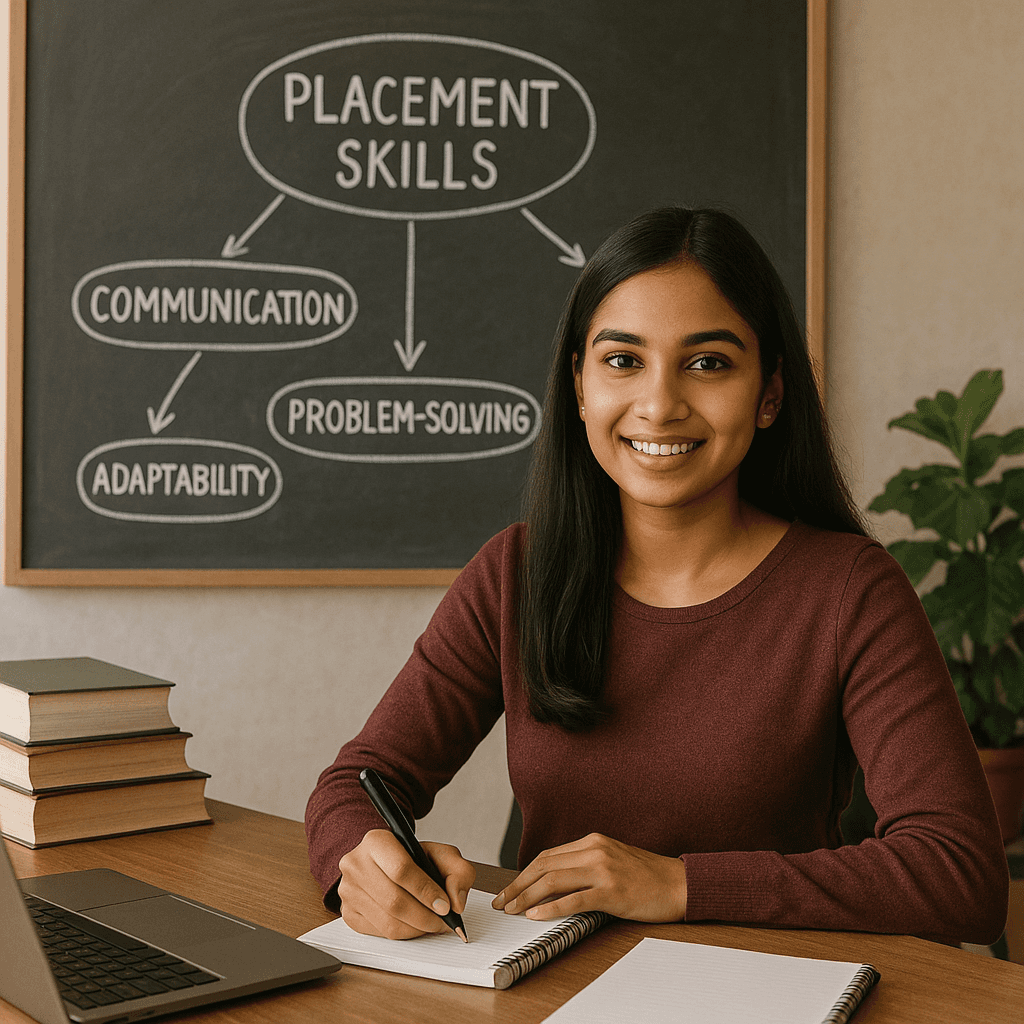
Placement skills development is the heart of effective preparation. Students who start early have more time to improve and refine their abilities.
Important skills to work on
1. Soft skills training:
Includes communication, teamwork, active listening, and problem solving. These skills influence how hiring managers view your ability to fit into the workplace.
2. Technical assessments:
Engineering, IT, and science students must prepare for coding tests, domain questions, and project discussions. Non-technical students must prepare for industry-specific questions and real-life case studies, while also understanding LinkedIn network connections to leverage professional networking opportunities effectively.
3. HR interview skills:
HR interview rounds test personality, attitude, and career clarity. Practicing common HR questions helps you remain calm and structured during interviews.
4. Resume writing:
Your resume must be simple, clean, and relevant. Hiring managers look for clarity, achievements, and authenticity.
Placement skills development becomes easier when students follow structured programs. You can explore Skill-building programs at WebVeda, which help students prepare in a guided and practical way.
Career Readiness Tips for Better Confidence
Career readiness tips help students focus on long term growth instead of short term goals. You are not only preparing for interviews, but also building habits that support your career for years, much like how understanding Key YouTube Metrics helps creators make consistent, data-driven improvements over time.
Helpful career readiness practices
Follow job search techniques consistently
Build a professional presence on platforms like LinkedIn
Join groups where recruiters and industry leaders share insights
Track your progress weekly and refine your goals
Learn how to explain your strengths clearly and honestly
These steps help fresh graduates enter the placement season with confidence and purpose.
Interview Preparation for Students Before the Placement Season
Interview preparation for students is the most important part of placement readiness. Even strong students lose opportunities due to poor interview skills. Structured preparation ensures you show your best performance, just as learning how to Find Best YouTube Keywords helps creators position their content more effectively.
Steps for interview preparation
1. Research the company thoroughly
Interviewers expect you to understand the company, its products, culture, and recent achievements.
2. Practice technical questions
Be ready to explain projects, technologies, and tools from your coursework.
3. Prepare HR answers honestly
Avoid memorized answers. Focus on clarity and authenticity.
4. Improve body language
Eye contact, posture, and confidence matter in every interview.
5. Review previous placement papers
Many companies repeat similar patterns and question types.
Why Placement Preparation Matters for Fresh Graduates
Placement preparation for students is not only about passing tests. It builds your confidence and helps you understand your strengths. Recruiters want job applicants who are self aware and capable of adapting to challenges. When you prepare well, you show interview panels that you are ready for responsibility and willing to learn—skills that are also strengthened through Networking for Growth.
Fresh graduates who start early and stay consistent often secure better opportunities than students who wait until the last moment.
Conclusion
Mastering placement preparation is one of the most important steps to securing your dream job in 2026. When you follow clear placement preparation strategies, practice aptitude daily, improve communication skills, and prepare for interviews with focus, your confidence grows. Recruiters notice candidates who show clarity, effort, and skill development. If you want guided support, explore WebVeda and Check our all courses to learn from experts and improve your career readiness. Placement preparation for students becomes easier when you take consistent action and stay committed to your goals.
FAQ
1. What is the best way to start placement preparation in 2025 to 2026?
Start with communication skills, aptitude practice, and company research. Build a routine early and study placement trends.
2. How long does it take to prepare effectively for campus placements?
Most students need three to six months of consistent preparation to build strong confidence.
3. Which skills are most important for clearing placement interviews?
Aptitude, communication, technical knowledge, and soft skills are the most important.
4. How do I improve my aptitude and reasoning for placement tests?
Daily practice, mock tests, and working on weak areas help improve speed and accuracy.
5. Is online training helpful for placement preparation?
Yes, many students use online resources to learn skills, practice interviews, and understand recruitment patterns.
6. What are the common mistakes students make during placement preparation?
Poor planning, ignoring soft skills, skipping mock interviews, and lack of company research are common mistakes.



Placement preparation is becoming more important than ever as competition rises and companies raise their expectations for fresh graduates. Many job applicants enter the placement season without clear planning, which leads to missed opportunities and weak performance in interviews. If you want to stand out and secure a strong offer in 2026, you need structured placement preparation strategies that help you build confidence and master the skills recruiters look for.
The goal is simple. You want to be fully ready when hiring managers evaluate your communication, aptitude, technical knowledge, and confidence. With the right approach, students can make placement preparation smooth and effective, even in a competitive environment.
Placement Preparation Tips Every Student Should Start With
Before you begin advanced preparation, it is important to build a strong foundation. These placement preparation tips help you get clarity and move in the right direction, similar to how English communication for professionals equips individuals to express themselves clearly and confidently in professional settings.
1. Build clear communication skills
Interview panels need candidates who can express ideas clearly. Strong communication skills help in group discussions, technical interviews, and HR interview rounds. Daily practice through reading, speaking exercises, and mock interviews can improve confidence.
2. Strengthen aptitude and reasoning skills
Companies conduct aptitude tests to filter candidates quickly. Students must practice quantitative aptitude, verbal ability, and logical reasoning regularly. Consistent aptitude test practice improves speed and accuracy, which becomes a strong advantage on test day.
3. Understand recruitment trends
Every year, recruiters change their expectations. Learning about new recruitment trends, skill requirements, and hiring patterns helps you stay updated. This allows you to focus your efforts on the most relevant skill areas.
4. Practice mock interviews often
Mock interviews help students experience real interview pressure in a safe environment. You get feedback on tone, structure, body language, and clarity. Mock interviews also reveal your weak spots so you can improve systematically.
Campus Placement Readiness: What Companies Expect in 2026
Campus placement readiness goes beyond academic knowledge. Fresh graduates must demonstrate skills that show real workplace potential.
Key expectations from recruiters
Good command of soft skills
Confidence in both technical and non technical assessments
Strong time management
Knowledge of company research before interviews
Ability to explain projects and internships clearly
Being ready for campus placements means developing a well-rounded skill set that supports both interviews and long-term career performance, including financial literacy strategies like steps toward financial independence to make informed career and personal decisions.
Placement Skills Development That Makes a Difference
Placement skills development is the heart of effective preparation. Students who start early have more time to improve and refine their abilities.
Important skills to work on
1. Soft skills training:
Includes communication, teamwork, active listening, and problem solving. These skills influence how hiring managers view your ability to fit into the workplace.
2. Technical assessments:
Engineering, IT, and science students must prepare for coding tests, domain questions, and project discussions. Non-technical students must prepare for industry-specific questions and real-life case studies, while also understanding LinkedIn network connections to leverage professional networking opportunities effectively.
3. HR interview skills:
HR interview rounds test personality, attitude, and career clarity. Practicing common HR questions helps you remain calm and structured during interviews.
4. Resume writing:
Your resume must be simple, clean, and relevant. Hiring managers look for clarity, achievements, and authenticity.
Placement skills development becomes easier when students follow structured programs. You can explore Skill-building programs at WebVeda, which help students prepare in a guided and practical way.
Career Readiness Tips for Better Confidence
Career readiness tips help students focus on long term growth instead of short term goals. You are not only preparing for interviews, but also building habits that support your career for years, much like how understanding Key YouTube Metrics helps creators make consistent, data-driven improvements over time.
Helpful career readiness practices
Follow job search techniques consistently
Build a professional presence on platforms like LinkedIn
Join groups where recruiters and industry leaders share insights
Track your progress weekly and refine your goals
Learn how to explain your strengths clearly and honestly
These steps help fresh graduates enter the placement season with confidence and purpose.
Interview Preparation for Students Before the Placement Season
Interview preparation for students is the most important part of placement readiness. Even strong students lose opportunities due to poor interview skills. Structured preparation ensures you show your best performance, just as learning how to Find Best YouTube Keywords helps creators position their content more effectively.
Steps for interview preparation
1. Research the company thoroughly
Interviewers expect you to understand the company, its products, culture, and recent achievements.
2. Practice technical questions
Be ready to explain projects, technologies, and tools from your coursework.
3. Prepare HR answers honestly
Avoid memorized answers. Focus on clarity and authenticity.
4. Improve body language
Eye contact, posture, and confidence matter in every interview.
5. Review previous placement papers
Many companies repeat similar patterns and question types.
Why Placement Preparation Matters for Fresh Graduates
Placement preparation for students is not only about passing tests. It builds your confidence and helps you understand your strengths. Recruiters want job applicants who are self aware and capable of adapting to challenges. When you prepare well, you show interview panels that you are ready for responsibility and willing to learn—skills that are also strengthened through Networking for Growth.
Fresh graduates who start early and stay consistent often secure better opportunities than students who wait until the last moment.
Conclusion
Mastering placement preparation is one of the most important steps to securing your dream job in 2026. When you follow clear placement preparation strategies, practice aptitude daily, improve communication skills, and prepare for interviews with focus, your confidence grows. Recruiters notice candidates who show clarity, effort, and skill development. If you want guided support, explore WebVeda and Check our all courses to learn from experts and improve your career readiness. Placement preparation for students becomes easier when you take consistent action and stay committed to your goals.
FAQ
1. What is the best way to start placement preparation in 2025 to 2026?
Start with communication skills, aptitude practice, and company research. Build a routine early and study placement trends.
2. How long does it take to prepare effectively for campus placements?
Most students need three to six months of consistent preparation to build strong confidence.
3. Which skills are most important for clearing placement interviews?
Aptitude, communication, technical knowledge, and soft skills are the most important.
4. How do I improve my aptitude and reasoning for placement tests?
Daily practice, mock tests, and working on weak areas help improve speed and accuracy.
5. Is online training helpful for placement preparation?
Yes, many students use online resources to learn skills, practice interviews, and understand recruitment patterns.
6. What are the common mistakes students make during placement preparation?
Poor planning, ignoring soft skills, skipping mock interviews, and lack of company research are common mistakes.
Placement preparation is becoming more important than ever as competition rises and companies raise their expectations for fresh graduates. Many job applicants enter the placement season without clear planning, which leads to missed opportunities and weak performance in interviews. If you want to stand out and secure a strong offer in 2026, you need structured placement preparation strategies that help you build confidence and master the skills recruiters look for.
The goal is simple. You want to be fully ready when hiring managers evaluate your communication, aptitude, technical knowledge, and confidence. With the right approach, students can make placement preparation smooth and effective, even in a competitive environment.
Placement Preparation Tips Every Student Should Start With
Before you begin advanced preparation, it is important to build a strong foundation. These placement preparation tips help you get clarity and move in the right direction, similar to how English communication for professionals equips individuals to express themselves clearly and confidently in professional settings.
1. Build clear communication skills
Interview panels need candidates who can express ideas clearly. Strong communication skills help in group discussions, technical interviews, and HR interview rounds. Daily practice through reading, speaking exercises, and mock interviews can improve confidence.
2. Strengthen aptitude and reasoning skills
Companies conduct aptitude tests to filter candidates quickly. Students must practice quantitative aptitude, verbal ability, and logical reasoning regularly. Consistent aptitude test practice improves speed and accuracy, which becomes a strong advantage on test day.
3. Understand recruitment trends
Every year, recruiters change their expectations. Learning about new recruitment trends, skill requirements, and hiring patterns helps you stay updated. This allows you to focus your efforts on the most relevant skill areas.
4. Practice mock interviews often
Mock interviews help students experience real interview pressure in a safe environment. You get feedback on tone, structure, body language, and clarity. Mock interviews also reveal your weak spots so you can improve systematically.
Campus Placement Readiness: What Companies Expect in 2026
Campus placement readiness goes beyond academic knowledge. Fresh graduates must demonstrate skills that show real workplace potential.
Key expectations from recruiters
Good command of soft skills
Confidence in both technical and non technical assessments
Strong time management
Knowledge of company research before interviews
Ability to explain projects and internships clearly
Being ready for campus placements means developing a well-rounded skill set that supports both interviews and long-term career performance, including financial literacy strategies like steps toward financial independence to make informed career and personal decisions.
Placement Skills Development That Makes a Difference
Placement skills development is the heart of effective preparation. Students who start early have more time to improve and refine their abilities.
Important skills to work on
1. Soft skills training:
Includes communication, teamwork, active listening, and problem solving. These skills influence how hiring managers view your ability to fit into the workplace.
2. Technical assessments:
Engineering, IT, and science students must prepare for coding tests, domain questions, and project discussions. Non-technical students must prepare for industry-specific questions and real-life case studies, while also understanding LinkedIn network connections to leverage professional networking opportunities effectively.
3. HR interview skills:
HR interview rounds test personality, attitude, and career clarity. Practicing common HR questions helps you remain calm and structured during interviews.
4. Resume writing:
Your resume must be simple, clean, and relevant. Hiring managers look for clarity, achievements, and authenticity.
Placement skills development becomes easier when students follow structured programs. You can explore Skill-building programs at WebVeda, which help students prepare in a guided and practical way.
Career Readiness Tips for Better Confidence
Career readiness tips help students focus on long term growth instead of short term goals. You are not only preparing for interviews, but also building habits that support your career for years, much like how understanding Key YouTube Metrics helps creators make consistent, data-driven improvements over time.
Helpful career readiness practices
Follow job search techniques consistently
Build a professional presence on platforms like LinkedIn
Join groups where recruiters and industry leaders share insights
Track your progress weekly and refine your goals
Learn how to explain your strengths clearly and honestly
These steps help fresh graduates enter the placement season with confidence and purpose.
Interview Preparation for Students Before the Placement Season
Interview preparation for students is the most important part of placement readiness. Even strong students lose opportunities due to poor interview skills. Structured preparation ensures you show your best performance, just as learning how to Find Best YouTube Keywords helps creators position their content more effectively.
Steps for interview preparation
1. Research the company thoroughly
Interviewers expect you to understand the company, its products, culture, and recent achievements.
2. Practice technical questions
Be ready to explain projects, technologies, and tools from your coursework.
3. Prepare HR answers honestly
Avoid memorized answers. Focus on clarity and authenticity.
4. Improve body language
Eye contact, posture, and confidence matter in every interview.
5. Review previous placement papers
Many companies repeat similar patterns and question types.
Why Placement Preparation Matters for Fresh Graduates
Placement preparation for students is not only about passing tests. It builds your confidence and helps you understand your strengths. Recruiters want job applicants who are self aware and capable of adapting to challenges. When you prepare well, you show interview panels that you are ready for responsibility and willing to learn—skills that are also strengthened through Networking for Growth.
Fresh graduates who start early and stay consistent often secure better opportunities than students who wait until the last moment.
Conclusion
Mastering placement preparation is one of the most important steps to securing your dream job in 2026. When you follow clear placement preparation strategies, practice aptitude daily, improve communication skills, and prepare for interviews with focus, your confidence grows. Recruiters notice candidates who show clarity, effort, and skill development. If you want guided support, explore WebVeda and Check our all courses to learn from experts and improve your career readiness. Placement preparation for students becomes easier when you take consistent action and stay committed to your goals.
FAQ
1. What is the best way to start placement preparation in 2025 to 2026?
Start with communication skills, aptitude practice, and company research. Build a routine early and study placement trends.
2. How long does it take to prepare effectively for campus placements?
Most students need three to six months of consistent preparation to build strong confidence.
3. Which skills are most important for clearing placement interviews?
Aptitude, communication, technical knowledge, and soft skills are the most important.
4. How do I improve my aptitude and reasoning for placement tests?
Daily practice, mock tests, and working on weak areas help improve speed and accuracy.
5. Is online training helpful for placement preparation?
Yes, many students use online resources to learn skills, practice interviews, and understand recruitment patterns.
6. What are the common mistakes students make during placement preparation?
Poor planning, ignoring soft skills, skipping mock interviews, and lack of company research are common mistakes.
© Copyright 2025
© Copyright 2025
© Copyright 2025